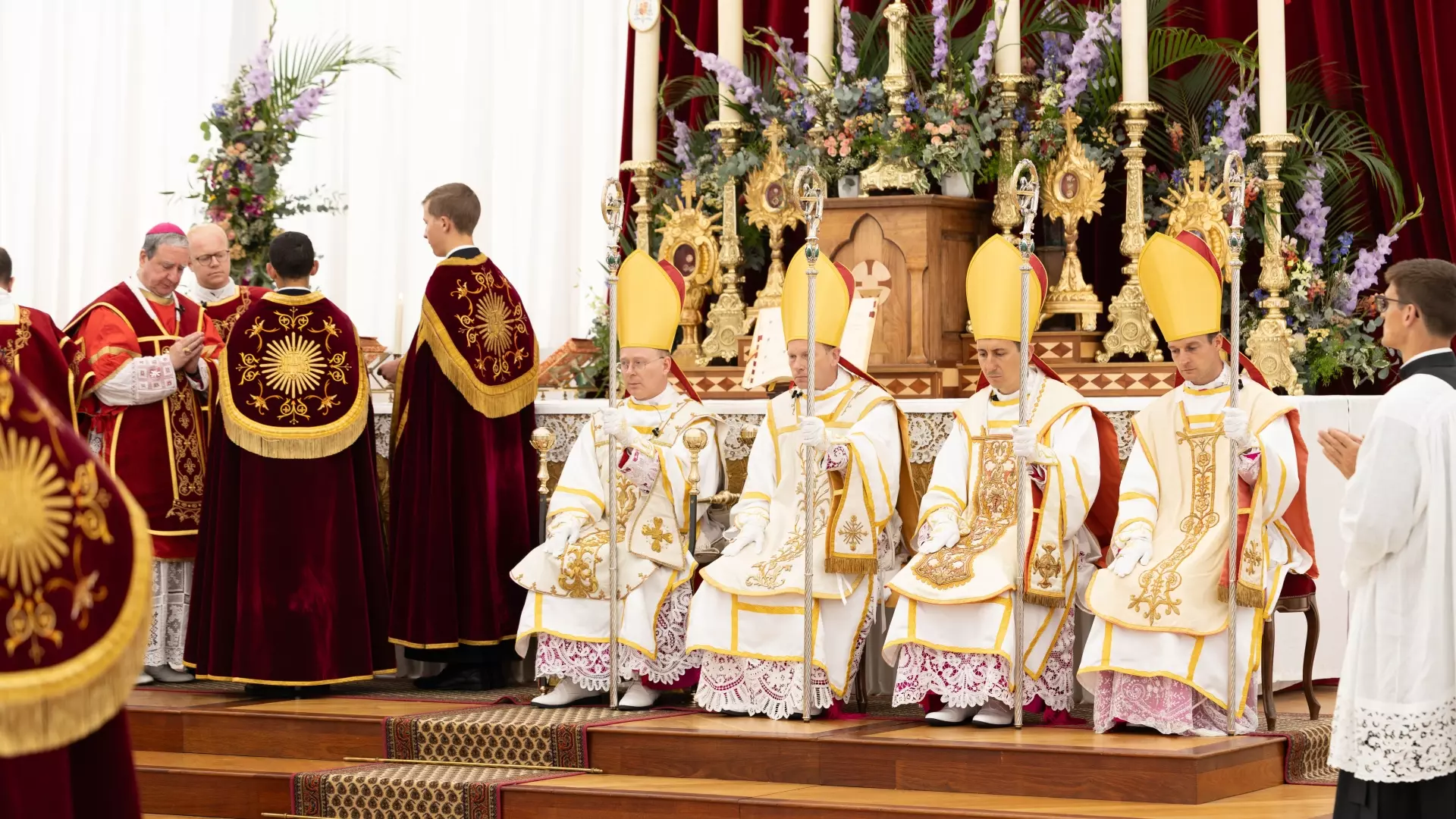
SSPX Clerics are Schismatic? Then they are Separated Brethren

The merciless will be judged mercilessly.
The merciless will be judged mercilessly.
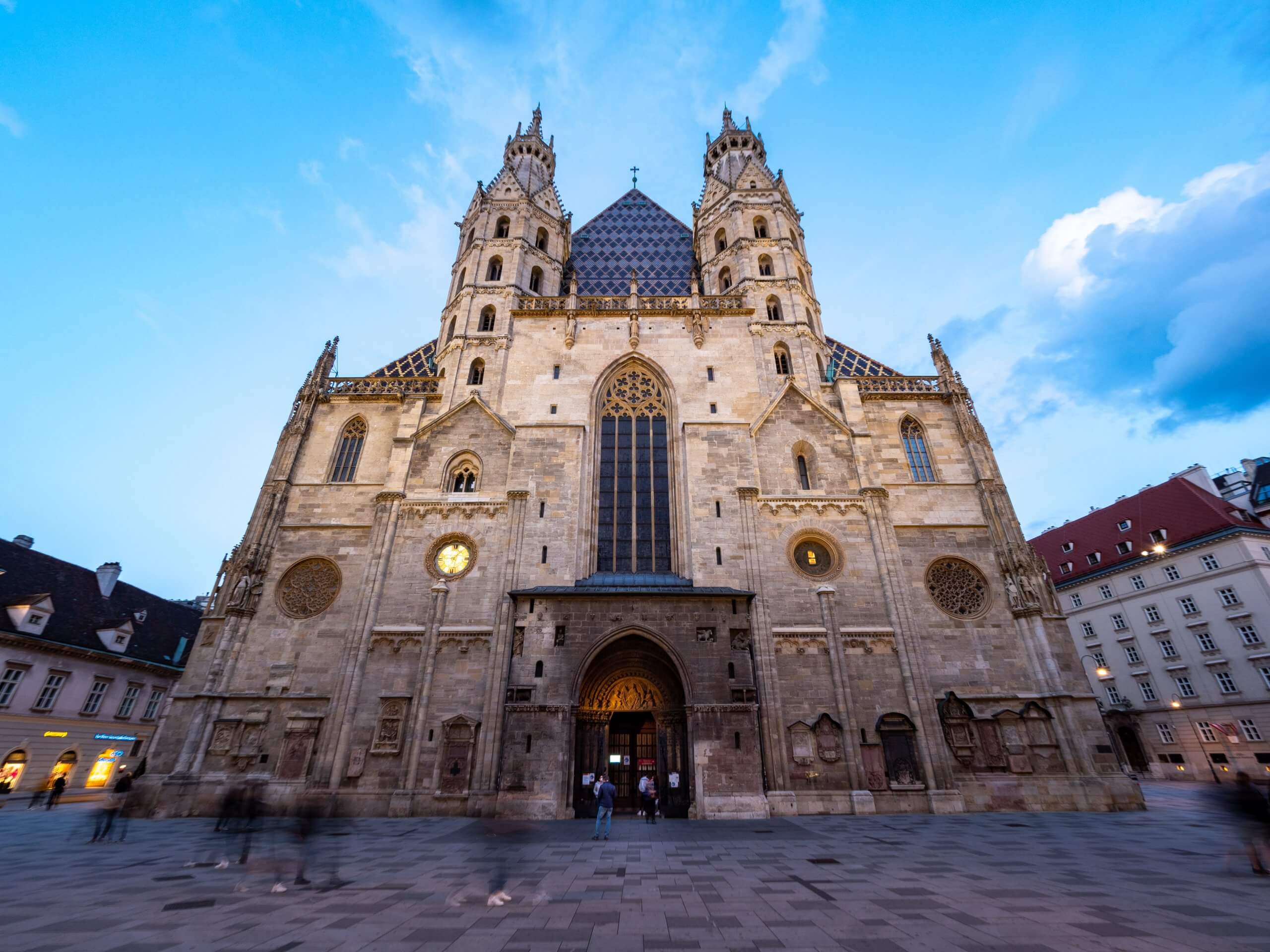
Pope Innocent XI made September 12th a Feast of the Most Holy name of Mary to commemorate the victory that was done in Her name.

...Chinese medicine, astrology, astro-herbalism, and meditation...

It was pride that brought down Satan and the other apostate angels. It was pride that brought down the human race in our First Parents. Pride turned angels into devils and Paradise into this vale of tears. St. Bernard of Clairvaux called pride “initium omnis peccati … the beginning of every sin” (De gradibus humilitatis…
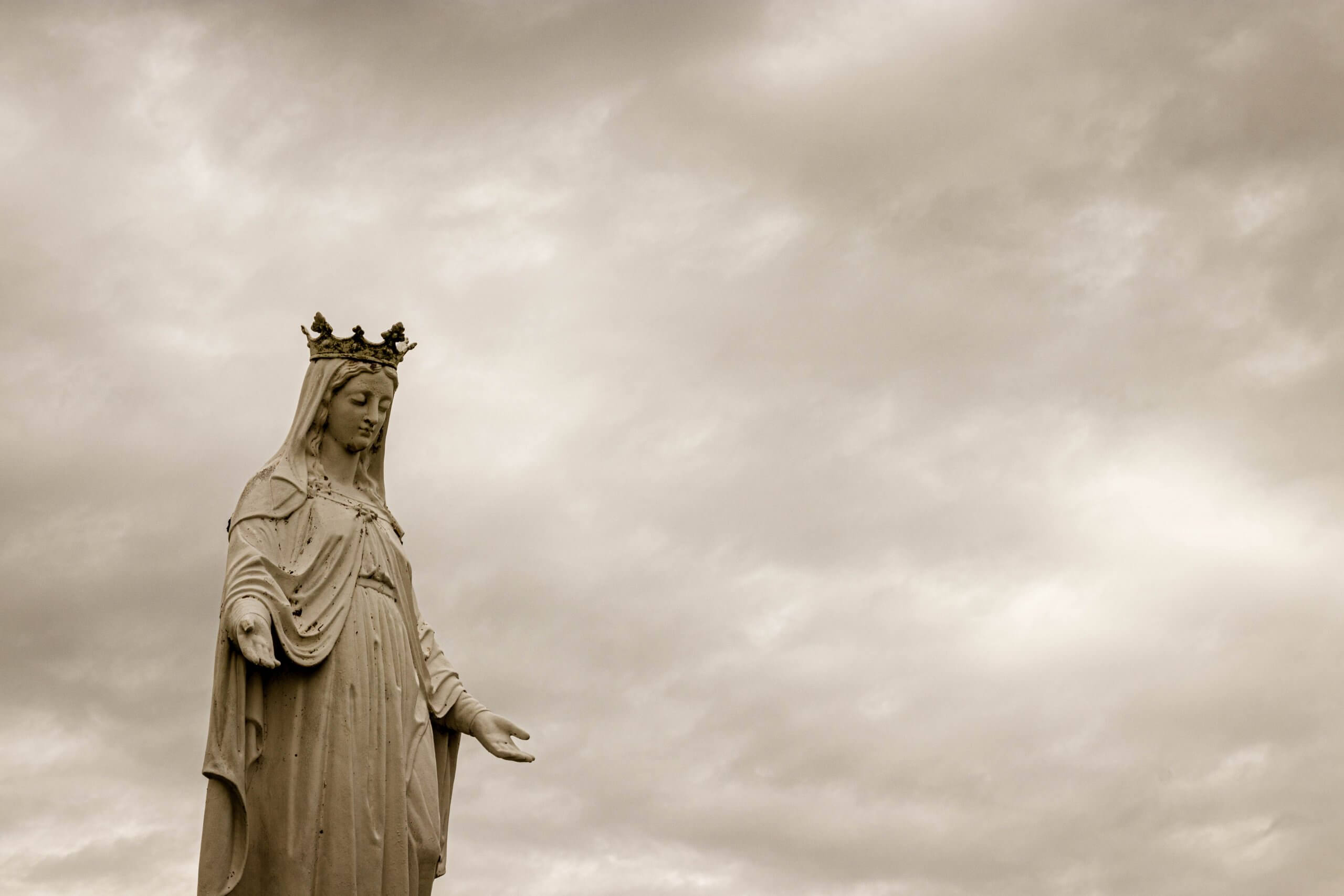
Thy birth, O Virgin Mother of God, proclaimed joy to the whole world; for from Thee arose the sun of righteousness, Christ our God; who released us from the curse, and gave us blessing; and confounding death, He granted us eternal life. -Greek antiphon chanted at the Magnificat for Vespers II September 8th One of…
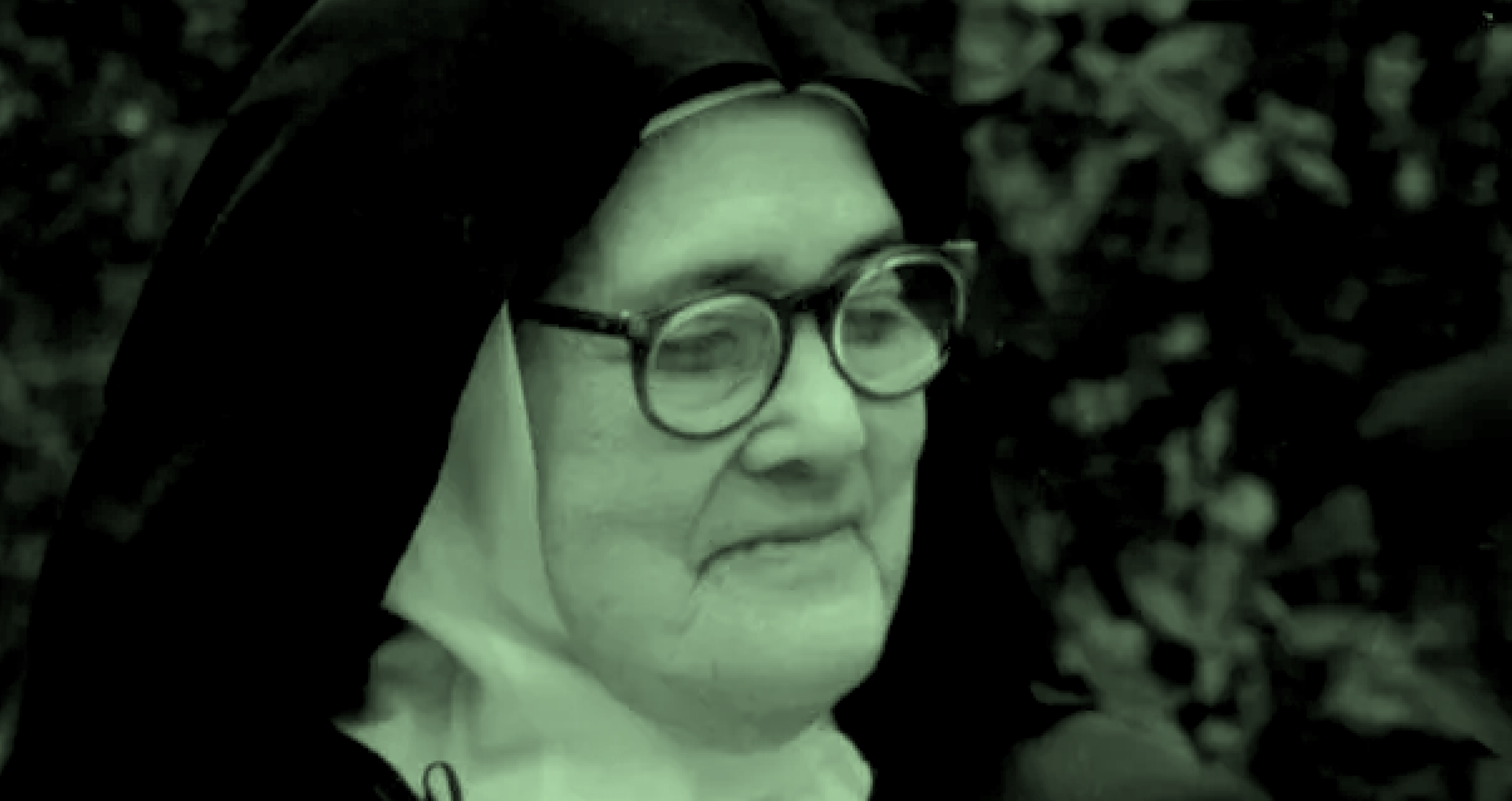
Regretfully, evidence suggests that Sister Lucy Truth was not always careful in its manner of proceeding.
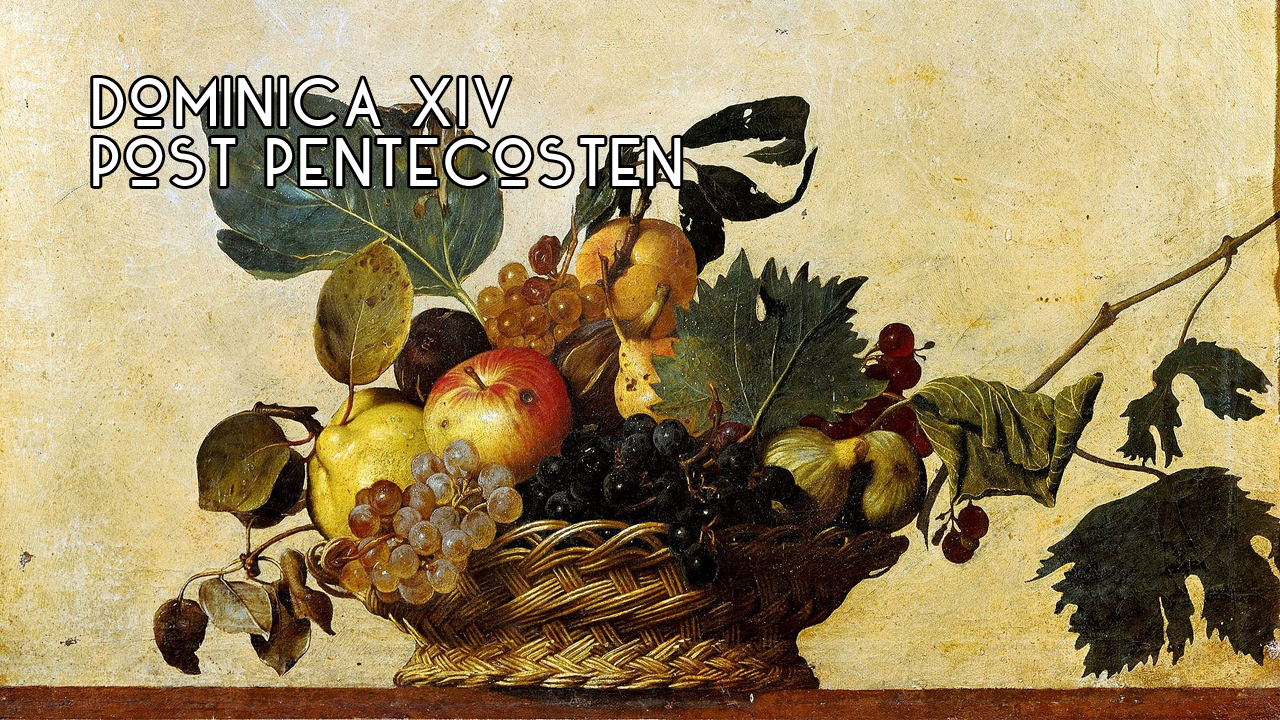
“So every sound tree bears good fruit, but the bad tree bears evil fruit…. Thus you will know them by their fruits” (Matthew 7:17, 20 RSV). Our Lord’s scriptural lantern illuminates the Epistle for the Fourteenth Sunday after Pentecost, Galatians 5:16-24, where St. Paul contrasts the works of the flesh with the fruit of the…
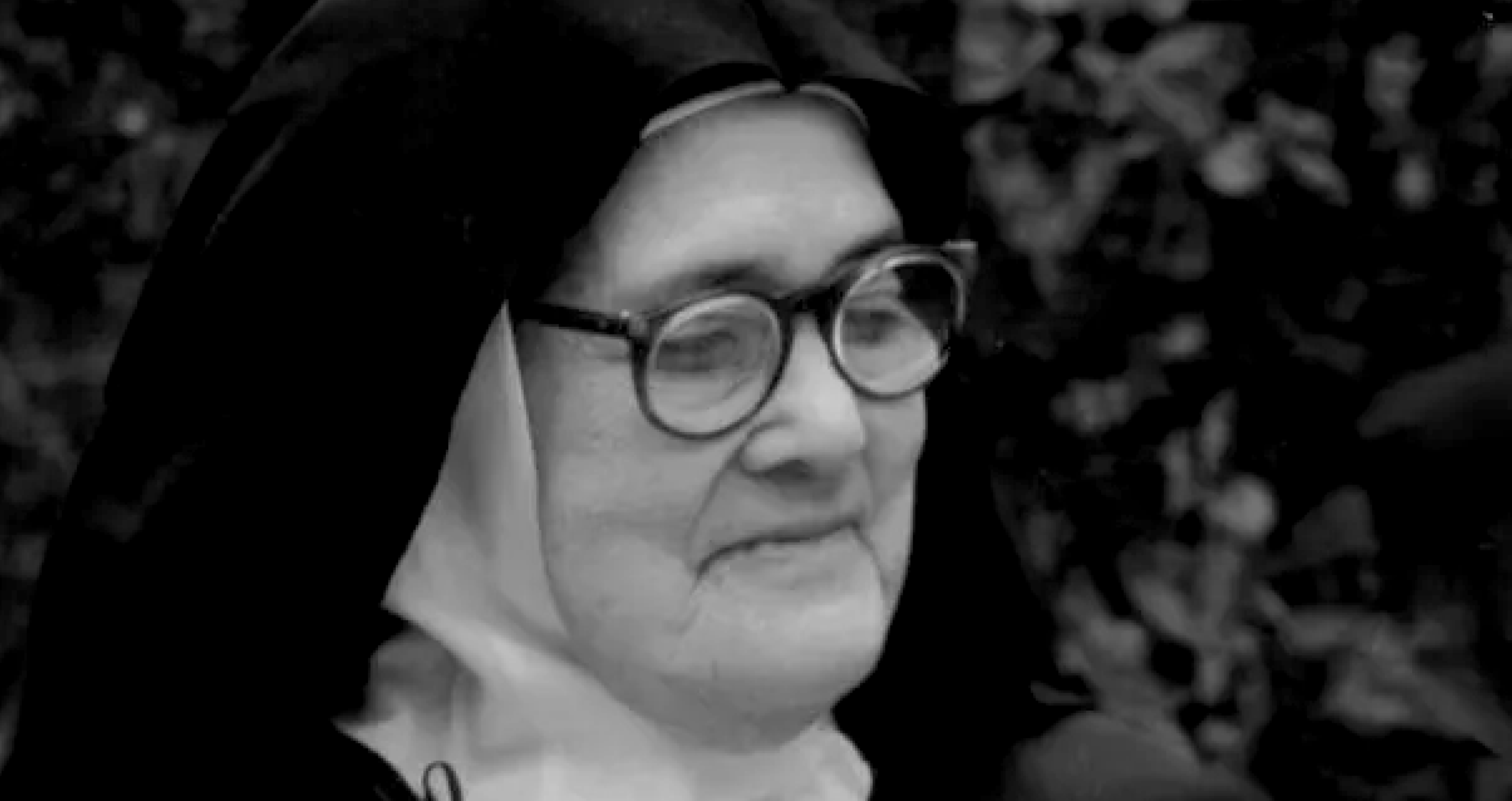
In January 2006, the notion of a world-wide imposture arose.
Practical formation in the fundamentals of the spiritual life for young adults.
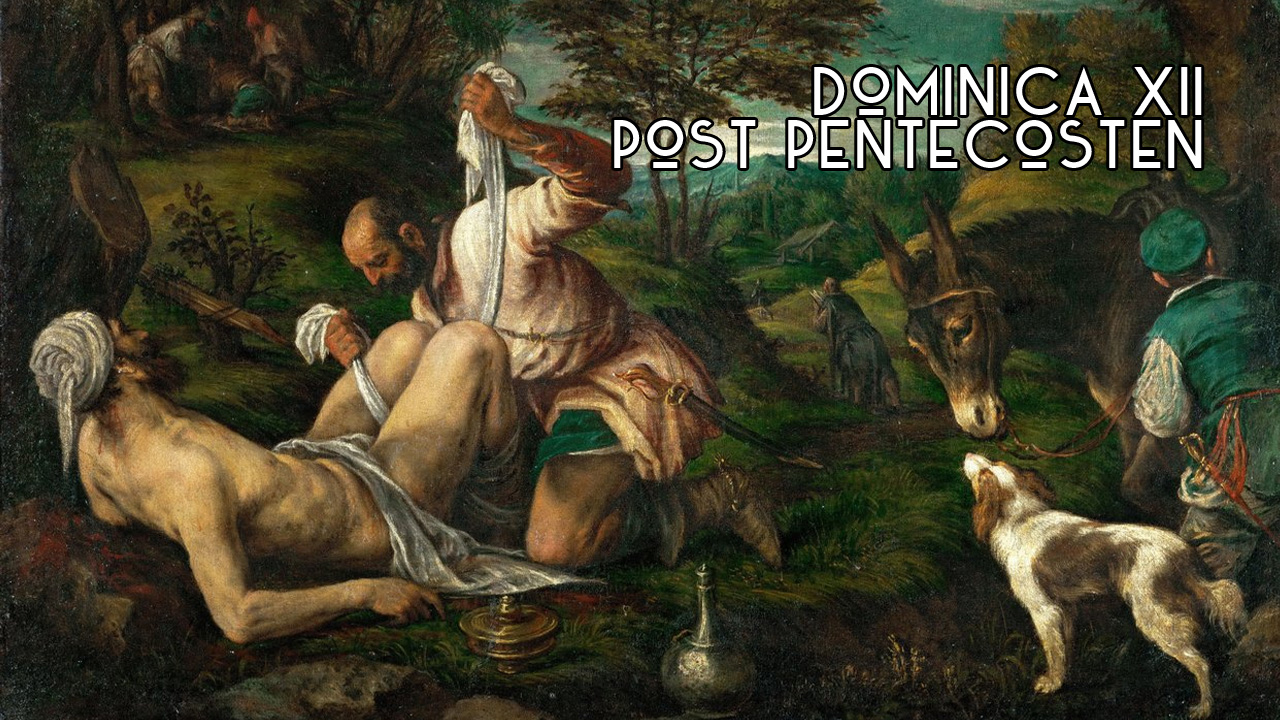
In the green flow of the Vetus Ordo, “the old order,” Sundays, the Twelfth Sunday after Pentecost brings the last selection from St. Paul’s Letters to the Corinthians before the Epistles move on to Galatians. The order of these readings is exceedingly ancient, older than the developed form of the Divine Office. Our Roman forebears…