The 1955 Holy Week Reform: a Summary

Holy Week became the testing ground for a new liturgical methodology.
Holy Week became the testing ground for a new liturgical methodology.

We need from time to time to take refuge in outposts of reality.
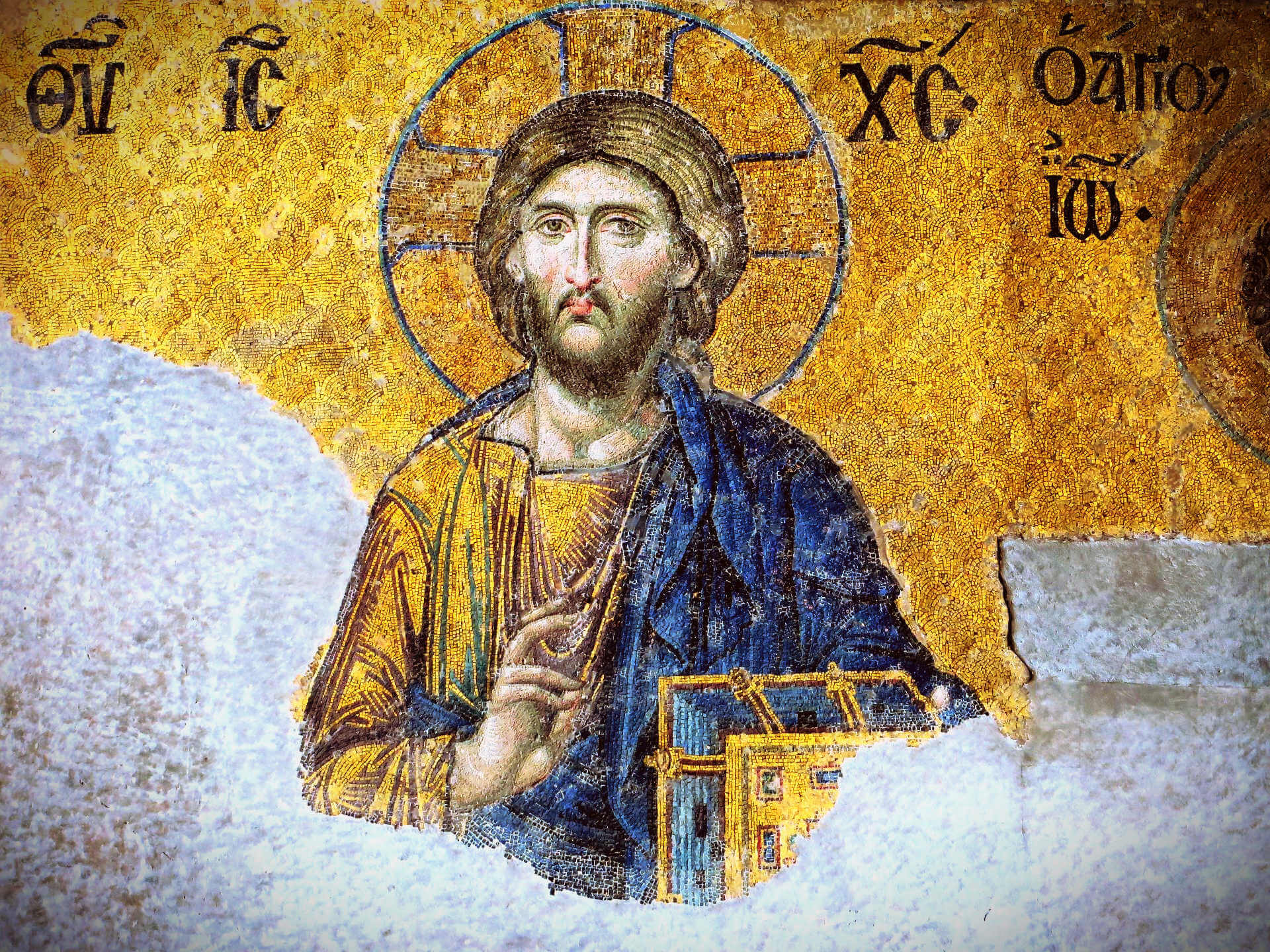
May our fast be acceptable to thee.
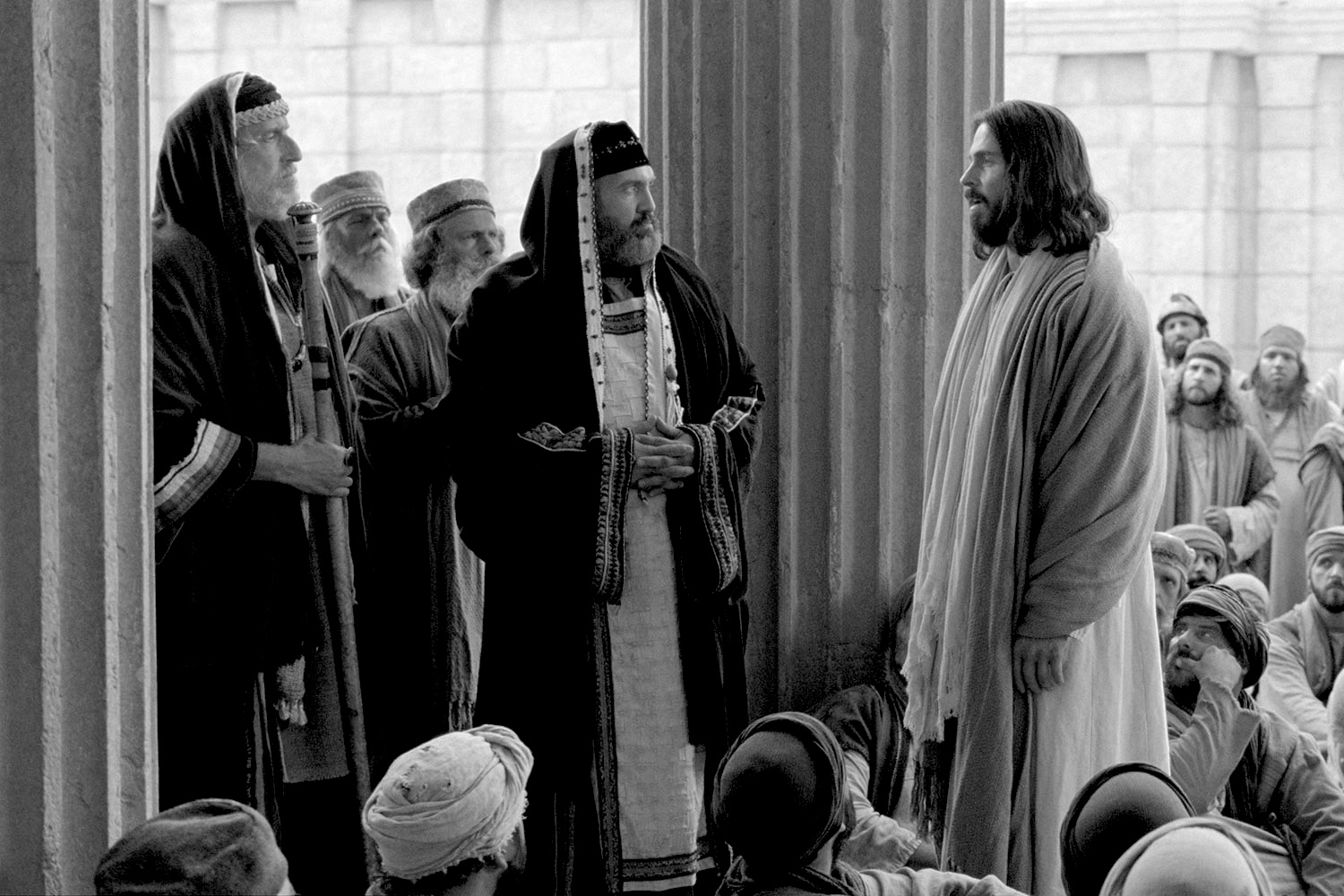
This time, Jesus does not hide himself.
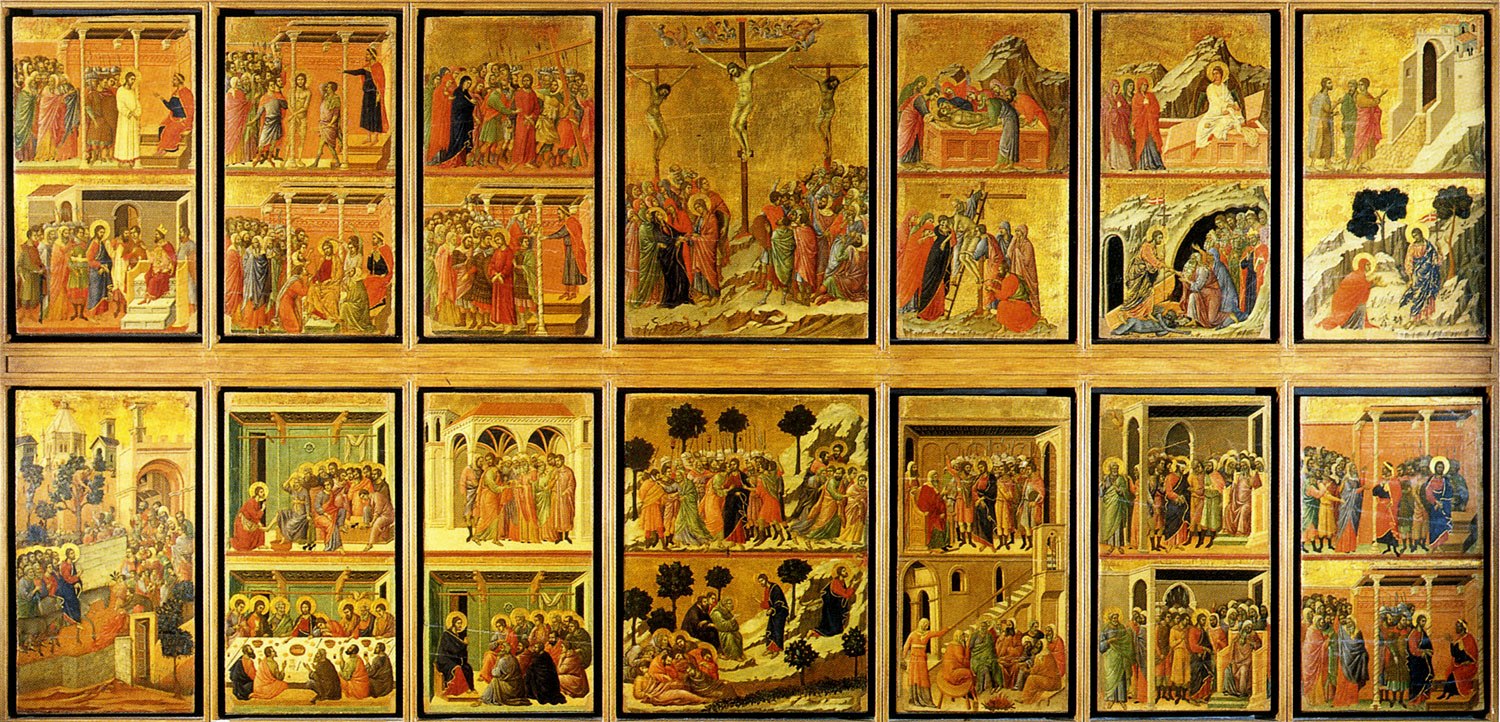
In virtue of this decree, each of these fifteen days was considered, as far as the courts of law were concerned, as a Sunday.
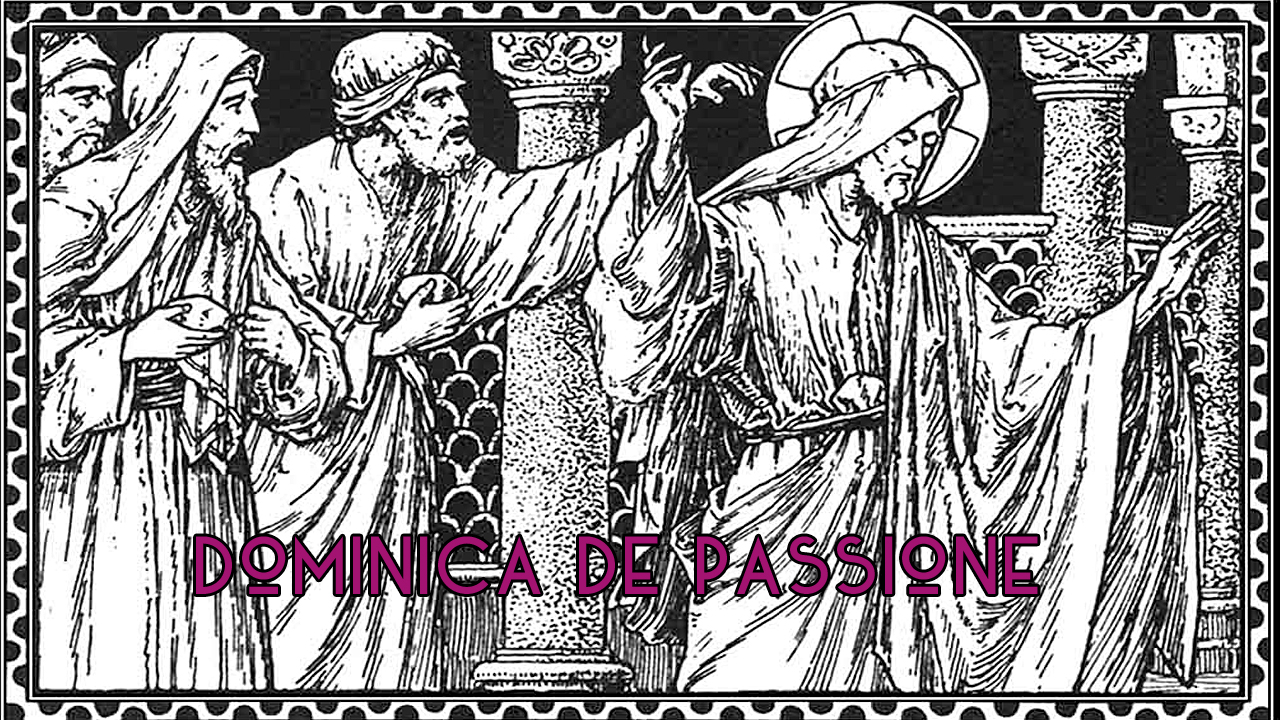
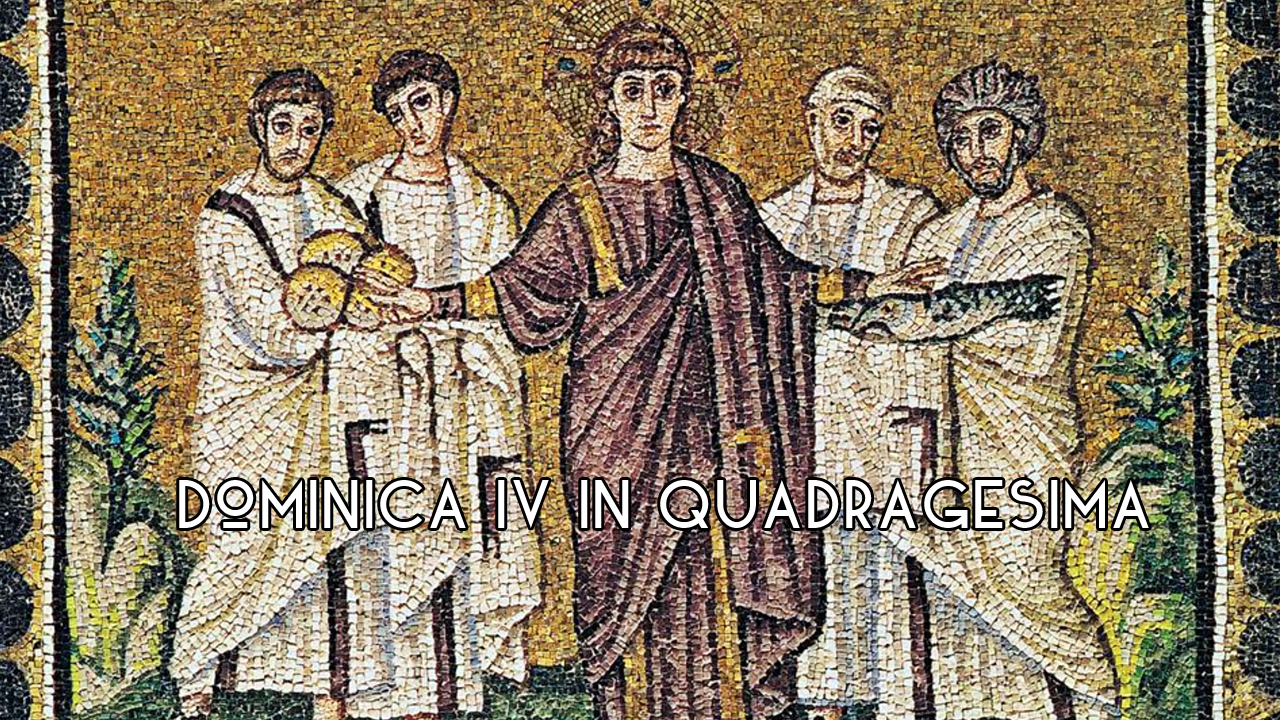
From the pre-Lent Sundays onward, Holy Mother Church has led us into a liturgical dying. First there was the silencing of the Alleluia and the Gloria. Violet appeared on Sundays as a herald of the coming fast. Then Lent itself deepened the deprivation day by day, save for the interruption of the greater feasts. Flowers…
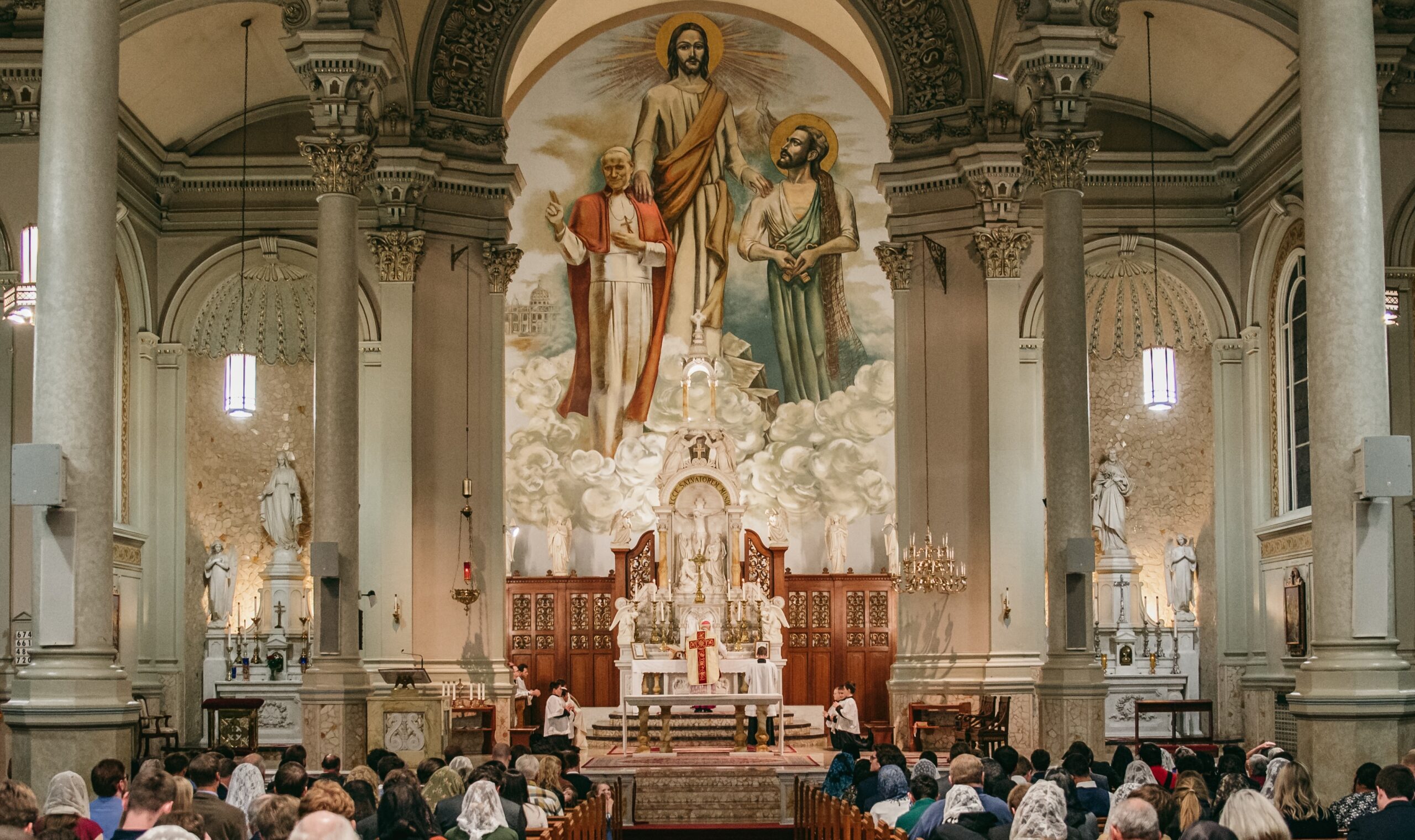
Following Ratzinger, Gamber and Sarah themselves.
It is a fact of human nature that when our senses are incessantly struck by the same impression, we begin to dull. Noise that never ceases is no longer truly heard. Color without contrast becomes flat. Images, especially wicked images, can first disturb and then stupefy. For this reason deprivation has a place in a…
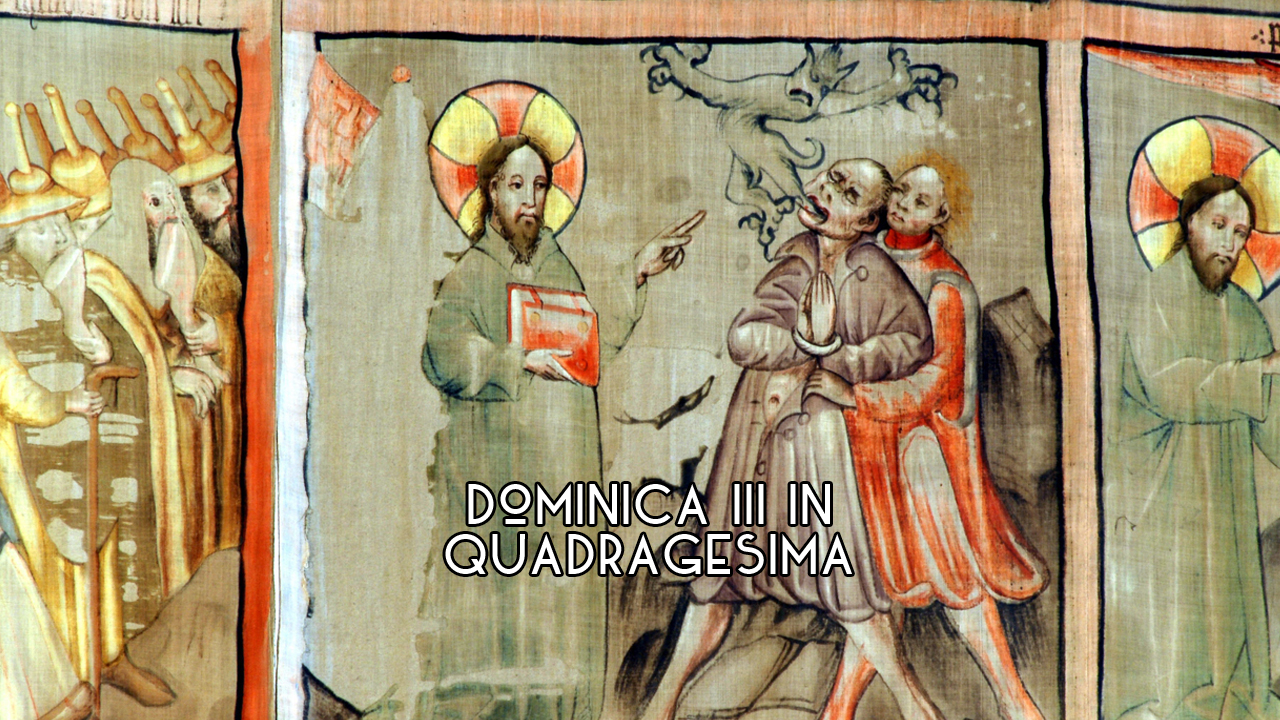
The Roman Station for the Third Sunday of Lent is the Minor Papal Basilica of St. Lawrence outside-the-walls, San Lorenzo fuori le Mura. The Station is often the crowbar by which we pry open the Mass formulary. If we attend to place, structure, memory, and rite, the somewhat intricate Gospel from Luke 11 begins to…
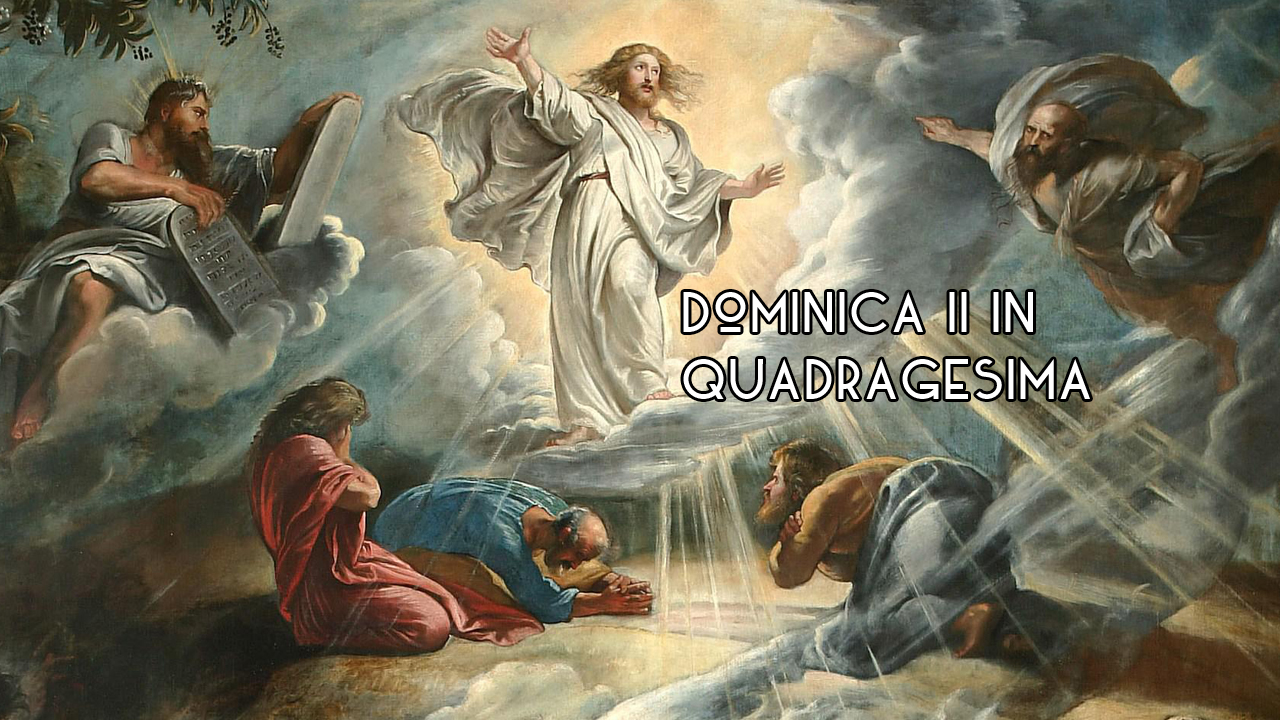
Each worthy Communion becomes a moment of transfiguration within the communicant’s soul.
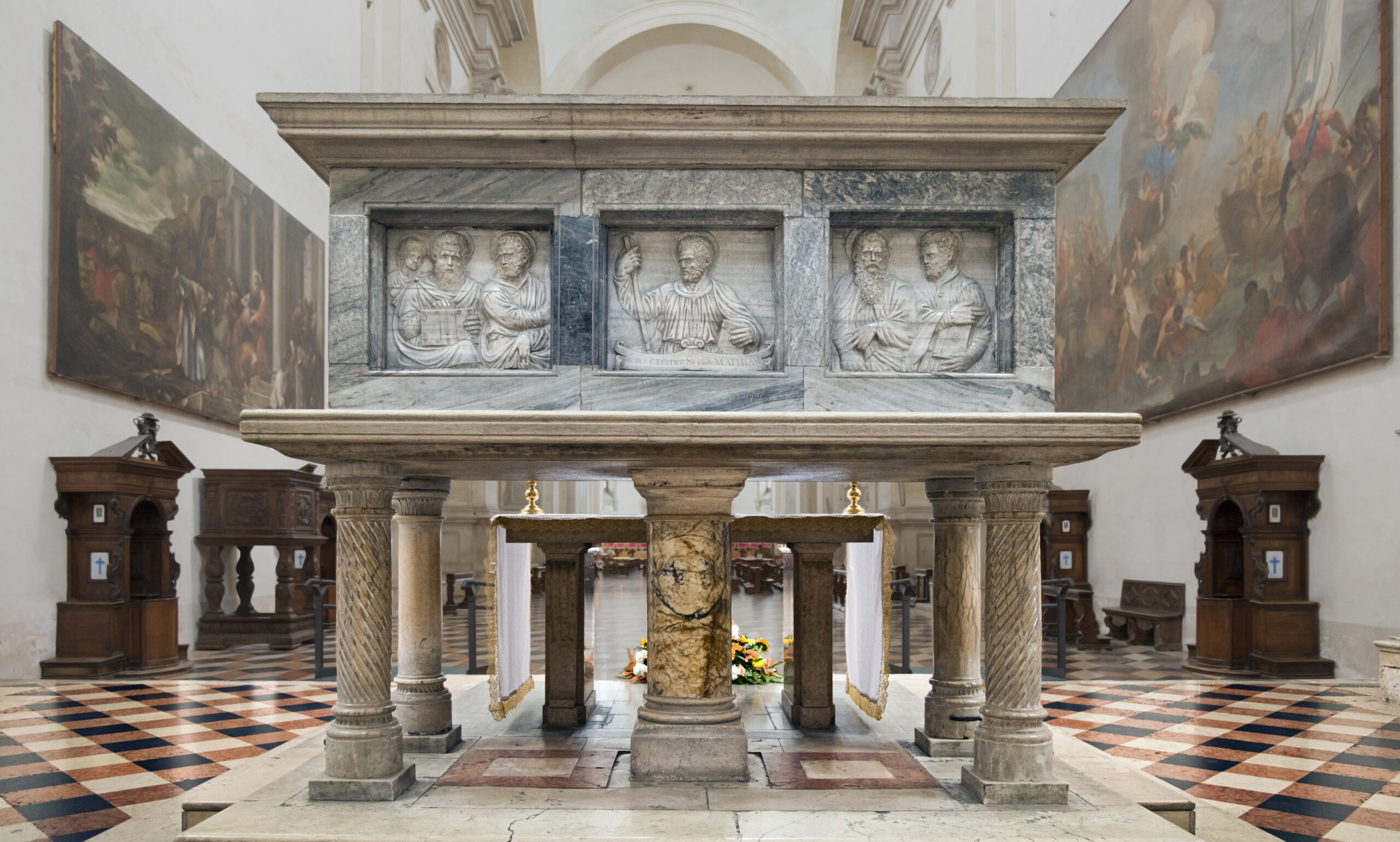
The Vigil of St. Matthias reinforced a crucial ecclesiological truth.