The Catholic Case for Social Credit: An interview with Felix Martin Antoniano

What Douglas was proclaiming was simply that the financial system should return to its proper function.
What Douglas was proclaiming was simply that the financial system should return to its proper function.

The question of economics is central to the crisis in the Church, due to the fact that a great many of the controversial things in society that we lament — abortion, contraception, and divorce, to name just a few — are promoted not only philosophically or politically, but economically. More generally, we can trace a…

In the plan for establishing a distributist society — that is, a society of widespread private property ownership, that Hilaire Belloc sketches in his book, The Restoration of Property, the chief means he proposes are a system of taxation, whereby concentrations of productive property will be subject to such a high rate of taxation that,…
This article comes to 1P5 from an anonymous Catholic. Distributism is an economic theory, articulated by G.K. Chesterton and Hilaire Belloc, that has garnered interest in Catholic circles. While this economic system hasn’t developed in America as a political movement, it received praise in some Catholic circles as “the Catholic third way.” This title seems…
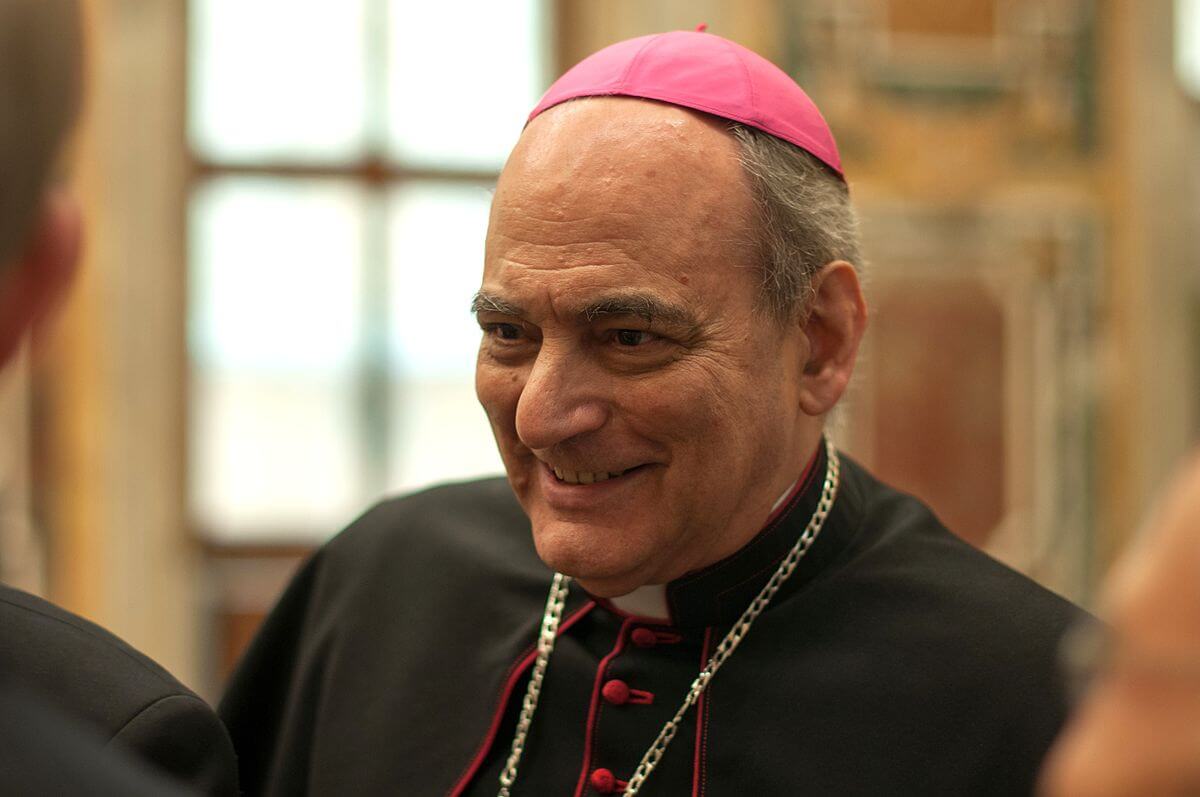
Image: Gcmarino, Sanchezsorondowikipedia, CC BY-SA 3.0 By Riccardo Cascioli “At this moment, the Chinese are the ones who are best achieving the social doctrine of the Church.” This quote alone, given at the beginning of an interview on China published by Vatican Insider (Spanish edition), should be enough to provoke the immediate dismissal of Bishop Marcelo Sanchez Sorondo,…

It was A.D. 321, and the Emperor Constantine decreed that the venerable “Day of the Sun” ought to be dedicated to rest. As we read in his imperial edict: “The magistrates and inhabitants of the cities shall rest on the venerable Day of the Sun, and all the stores will remain closed.” But it was…
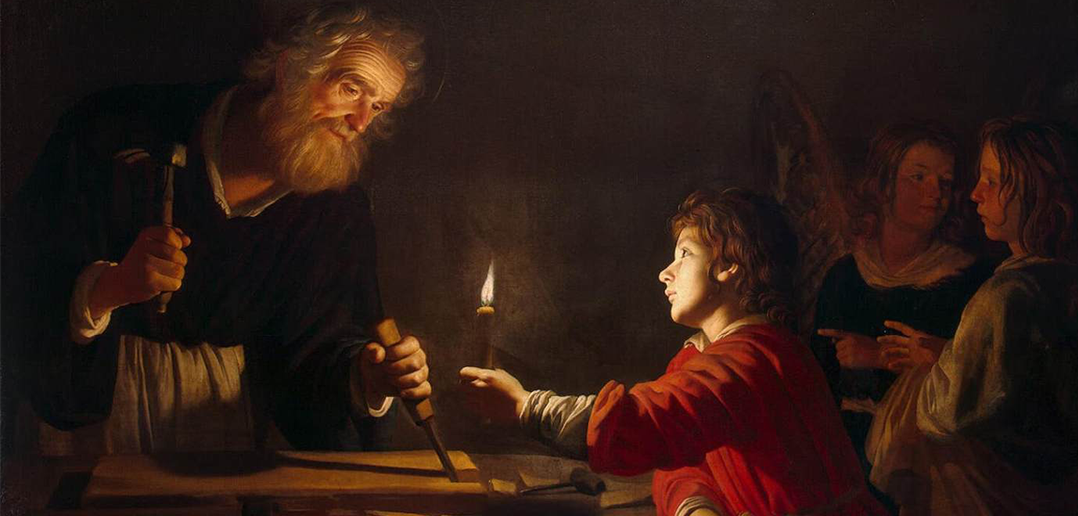
The conception behind minimum wage laws – and any similar notion that supposes that employees should receive payment or benefits unrelated to the transactional value which they bring to their employers – is economically unsound. Though most people in our culture today would disagree with this point, it is at least well understood by most…

Publisher’s note: Coming to a correct understanding of sound economic principles through the lens of Catholic social teaching is a complex task that requires discernment and study. It is not possible for the Church to issue specific, universal policy prescriptions that are morally binding due to the highly subjective intricacies of particular economic, political, and social…