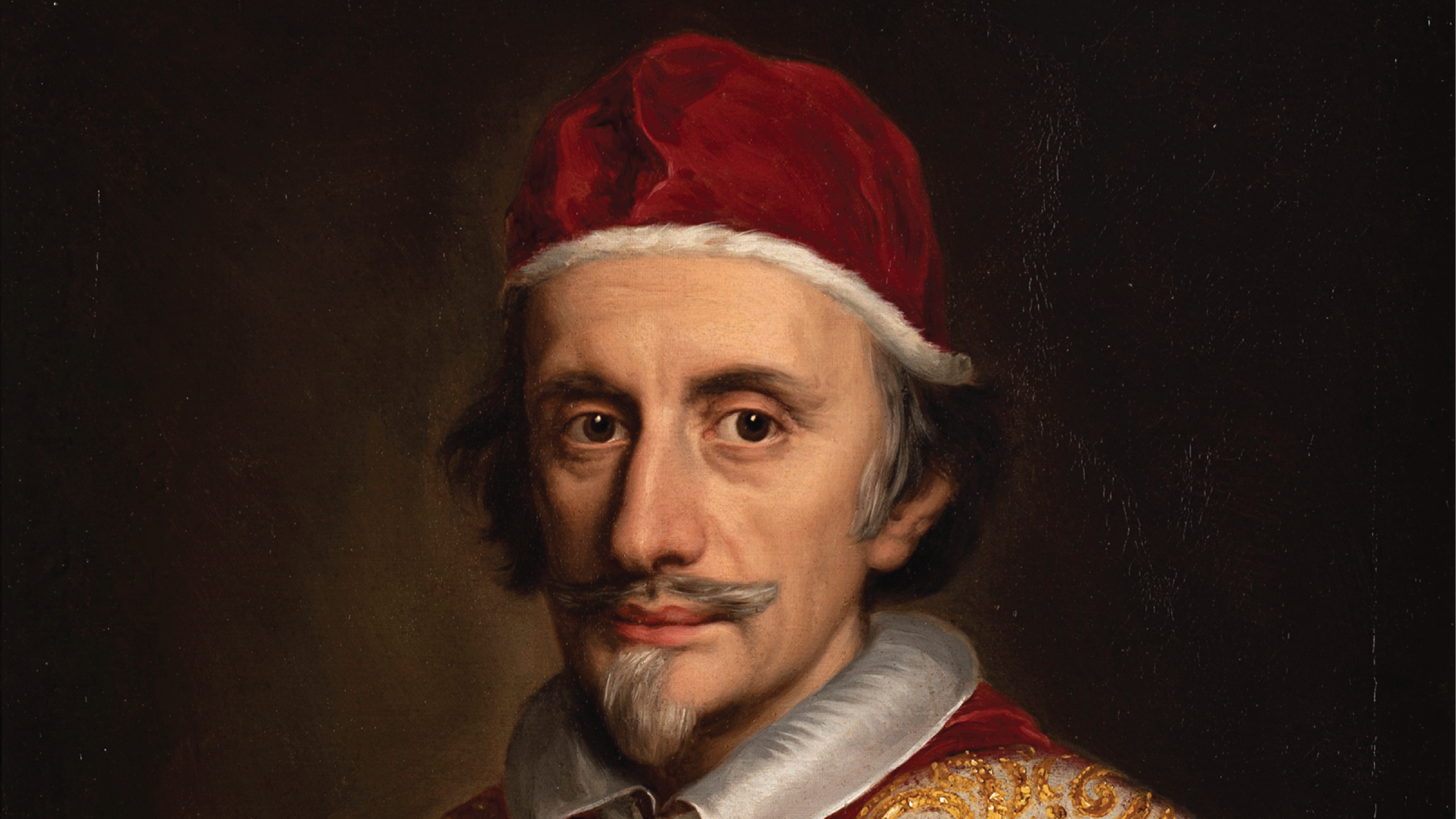
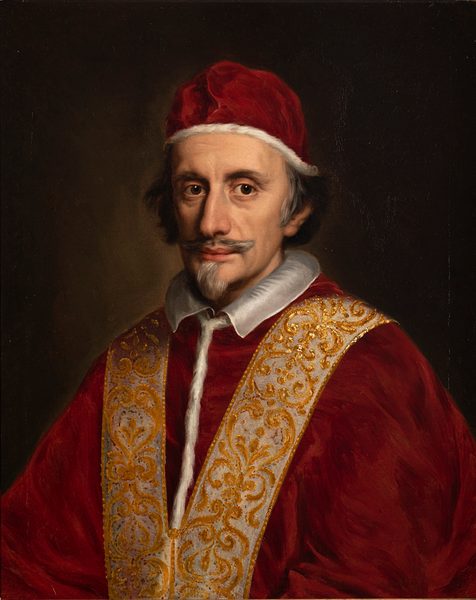
Three hundred and fifty years ago, on September 21, 1676, after a conclave lasting nearly fifty days, Benedetto Odescalchi, a native of Como in northern Italy, was elected Pope, taking the name Innocent XI.
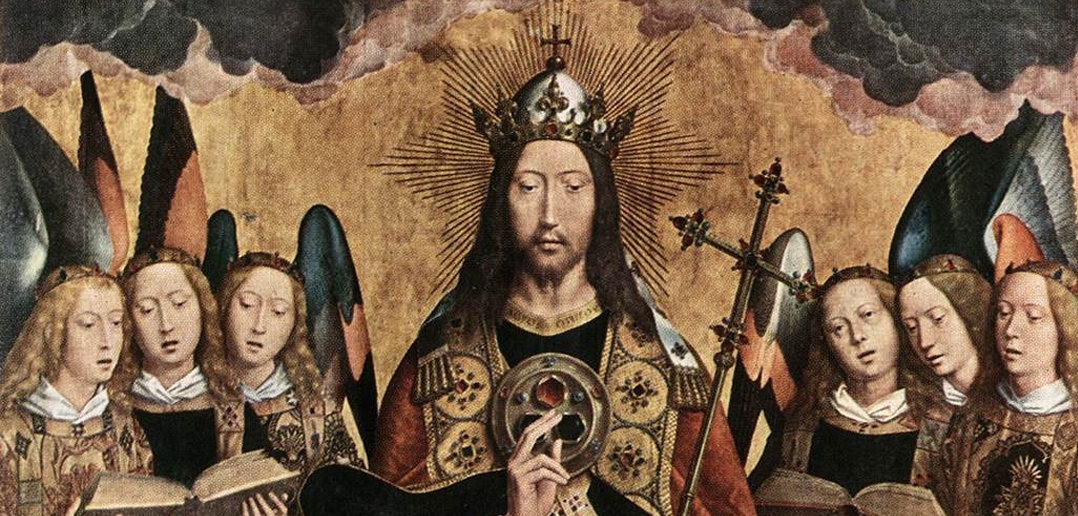
The solemnity of his coronation on October 4 in the Vatican Basilica was a moment of extraordinary musical splendor. As Stefano Gizzi notes,[1] during the foot-kissing and the presentation of the keys, the majestic motet Tu es Petrus, likely by Giovanni Pierluigi da Palestrina (†1594), resounded through the basilica. The musical heart of the celebration shone during the Offertory with Felice Anerio’s (†1614) motet In Diademate Capitis Aaron, while the final blessing from the Loggia was consecrated by Palestrina’s five-voice polyphony in Corona aurea super caput ejus.
Innocent XI’s pontificate, which lasted over twelve years, left an indelible mark on the Church. Three centuries later, in 1956, Pope Pius XII (†1958) celebrated the beatification of the Como-born pontiff and, in an impassioned radio message from Castel Gandolfo, highlighted how “the holiness of Innocent XI was proclaimed immediately after his death, not only by the Catholic faithful, but even by many non-Catholics.”
Despite this immediate reputation for sanctity, other considerations delayed his path to the altars, only clarified definitively through careful historical research.
Pius XII emphasized the virtues that distinguished Odescalchi: humility, austerity, and dedication to the poor. “He lived in simplicity, far from any luxury, and in his humility never sought to appear,” the Pope noted. “He loved and aided the poor with a fatherly tenderness, sparing neither his strength nor his possessions.”
Alongside his personal asceticism, Innocent XI was a tireless reformer. He worked to make the Roman Curia more sober and efficient, combated nepotism, and appointed bishops of exemplary virtue. Pius XII recalled him as a pontiff who “sought to restore dignity and efficiency to the Roman Curia, combating nepotism and selecting bishops who were worthy and exemplary.”
His firmness was also evident in his dealings with political powers, particularly Louis XIV (†1715) of France. Innocent XI courageously resisted the claims of absolutism: “He firmly opposed the pretensions of absolute power, not out of rebellion, but out of fidelity to the mission received from Christ.”
Innocent XI’s name is especially associated with 1683, the year Vienna was saved from the Ottoman siege. He was instrumental in forging the alliance between Leopold I (†1705), Holy Roman Emperor, and John III Sobieski (†1696), King of Poland, which led to the historic victory. “When Christendom risked being overwhelmed by the Ottoman invasion, it was Innocent XI who promoted the alliance that led to victory,” Pius XII explained.
For the twentieth-century Pope, the beatification of Innocent XI “is not only an act of historical justice but a gift and encouragement for the Church of our times.” His example unites prayer and governance, firmness and charity, offering a model that remains relevant to believers today.
Innocent XI also left a lasting influence on sacred music in Rome. Regulations he issued on music in churches and female monasteries, beginning in 1656—the year of the plague in Rome—are preserved in the Historical Archive of the Vicariate of Rome. A man both austere and devout, he viewed theatrical and secular influences in churches with suspicion, limiting performances that distracted from prayer and contemplation.
The Congregation of the Apostolic Visitation had already reaffirmed norms established by Pope Alexander VII (†1667) in the constitution Piæ sollicitudinis studio (1657), which required liturgical texts to come exclusively from the Missal, Breviary, or Sacred Scripture; singers to remain unseen; and the musical style to remain grave and devout. Observing that these rules were not fully respected, Innocent XI reinforced them in the edict of September 3, 1678. Through this, Cardinal Gaspare di Carpegna (†1714), Vicar of Rome, instructed rectors and superiors of basilicas, colleges, convents, hospitals, and oratories to strictly observe the rules, requiring music directors to take an oath established by the Secretariat of the Cardinal Vicar’s Tribunal.
Under Pope Odescalchi, the systematic use of these oaths was consolidated, with a standardized text that chapel masters were required to read and sign:
I, the undersigned chapel master in the venerable church of …, promise and swear, in execution of the brief of His Holiness Alexander VII of April 23, 1657, in the Bullarium, order 36, beginning Piæ sollicitudinis studio, and of the edict of the Most Eminent Cardinal Vicar of September 3, 1678, to adhere in my music to the tenor of the same dispositions, using no words other than those prescribed by the Breviary and the Roman Missal in the proper and common offices for the feast being celebrated, or at least for the motets; words taken from Holy Scripture or the Holy Fathers, to be specially approved by the Sacred Congregation of Rites; and regarding the form of the music, not to introduce theatrical airs or those imitated from secular songs, in either voices or instruments, but to observe the gravity appropriate to ecclesiastical use. In faith of which I have signed this document with my own hand this day…[2]
Thus, Blessed Innocent XI, with his austerity, reforming vision, and devotion to sacred music, left an enduring mark on the Church: a pontiff who united spirituality, moral rigor, and care for religious culture, offering an example whose relevance remains extraordinary even today.
[1] “Don Gregorio De Giudici, Cantore e Maestro della Cappella Pontificia,” Handel Forever, accessed September 5, 2025.
[2] In S. Nanni, La musica dei semplici, Roma 2012, p. 198; our translation.