Traditional Perspectives on Philosophy – pt. 1: Voluntarism
My hope is to deepen the Traditionalist understanding of our own position by situating the council in its historical-philosophical context.
My hope is to deepen the Traditionalist understanding of our own position by situating the council in its historical-philosophical context.
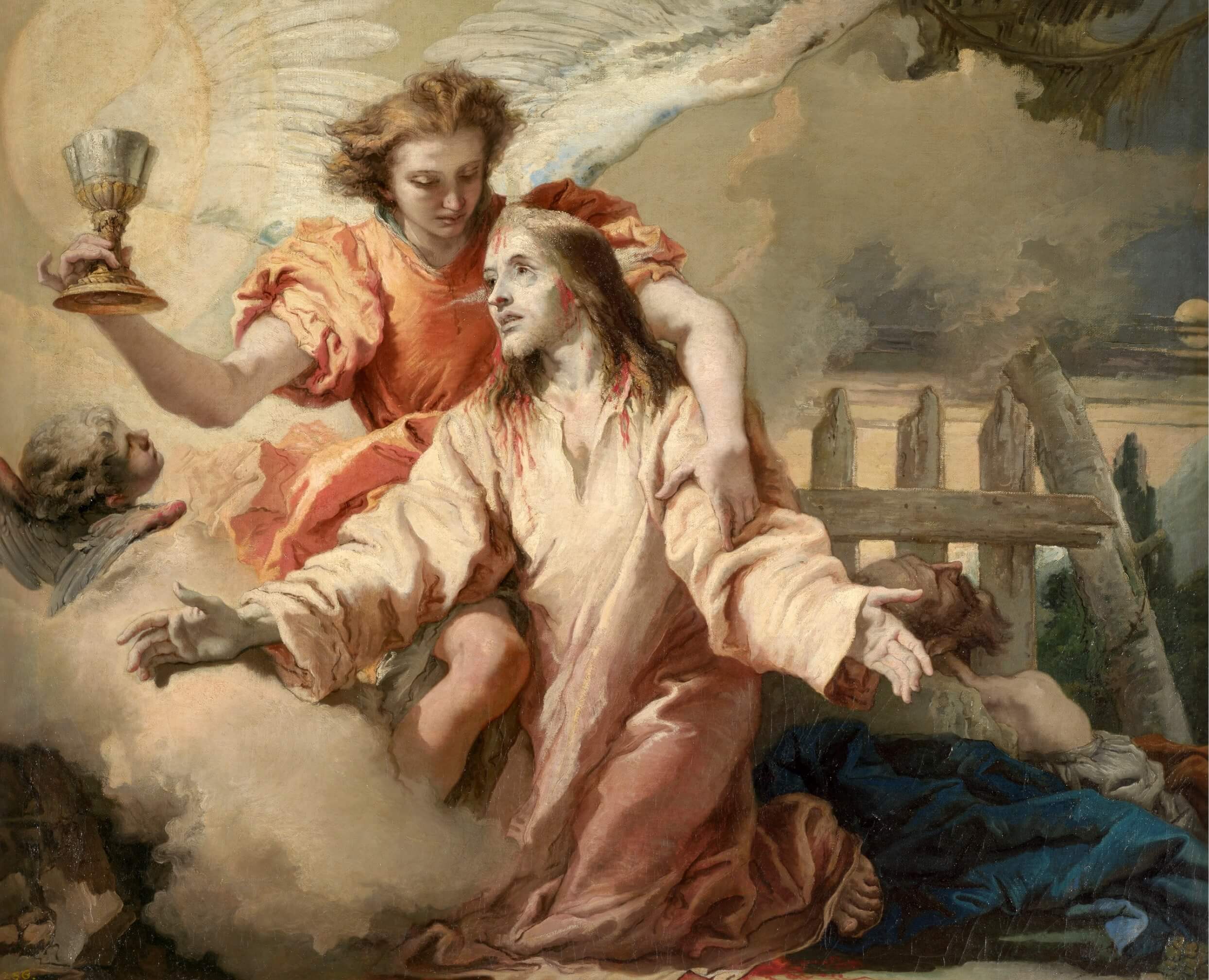
This Sunday, the 8th after Pentecost, brings us an Epistle or first reading in the Vetus Ordo, the Traditional Latin Mass, from the Apostle to the Gentiles’ Letter to the Romans 8: 12-17. We have already seen some context for Romans in previous offerings. We have already had a look into a possible thematic flow…

Listen up you soldier slaves! Get yourselves squared away.
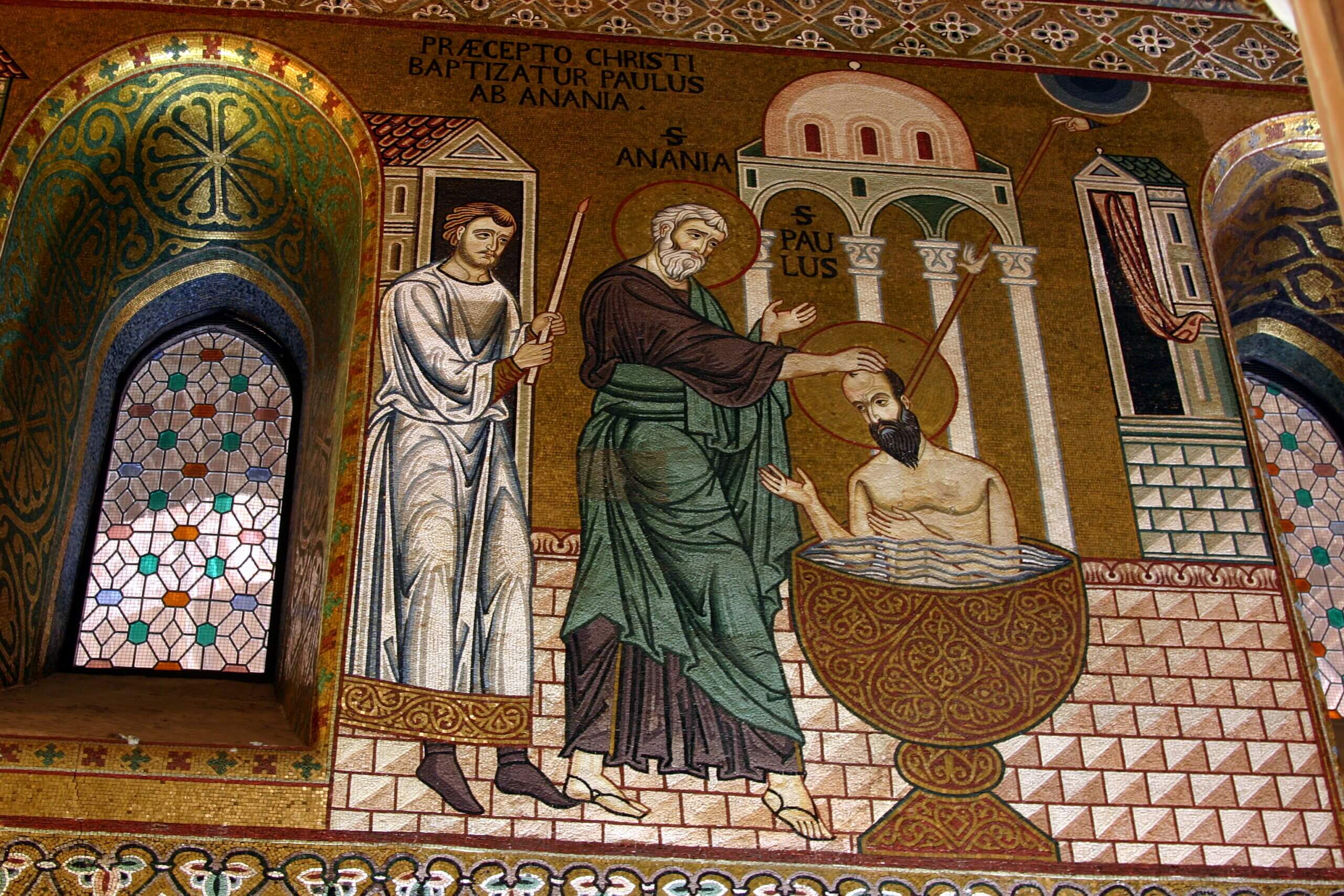
Context is important. We’ve been over the ground we tread before, regarding the liturgical season and the Letter Paul wrote to the Romans. However, here is something from Dom Prosper Guéranger about the flow this time of year: It is to the Romans that are addressed today’s inspired instructions of the great apostle. For the…
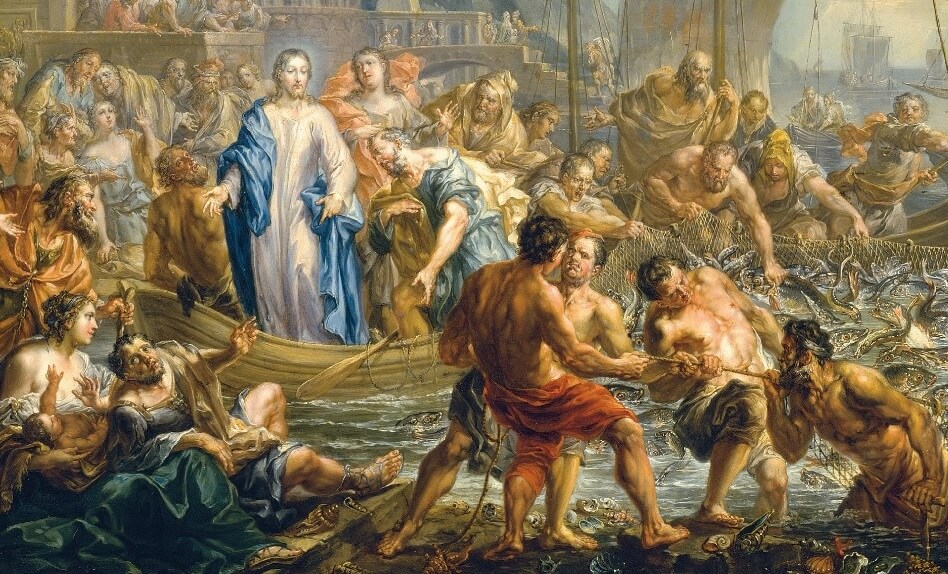
Our journey through the liturgical year in the Vetus Ordo continues this week with out look into the Epistle reading for Holy Mass on the 5th Sunday after Pentecost. For the last weeks we have been giving strong images of Christ as, for example, Good Shepherd. In a sense, the images are “outside” of us…
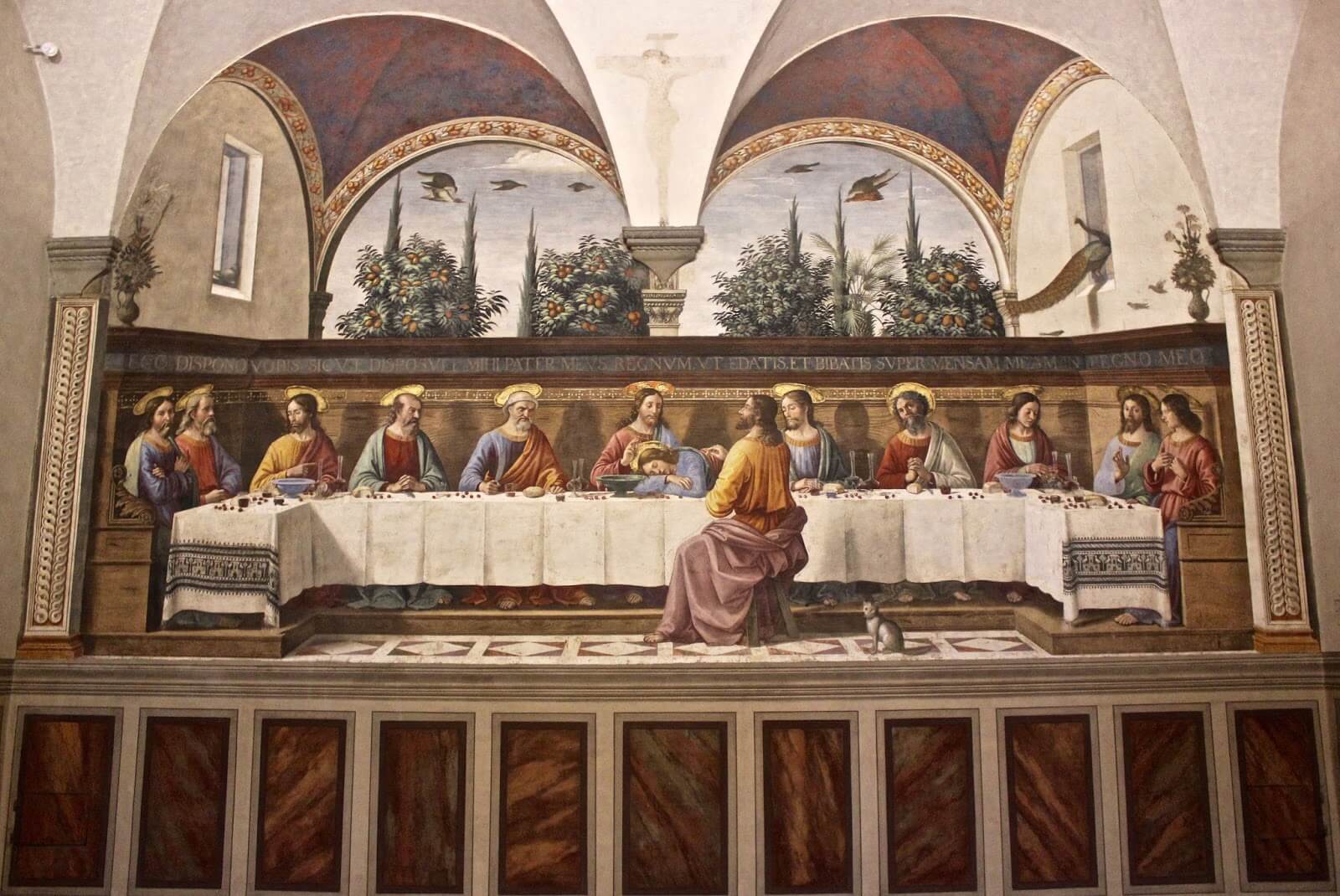
We continue with our task of opening up something of the riches of the Epistle reading for Sunday’s Holy Mass in the Vetus Ordo, the tried and true Traditional Roman Rite which stengthen virtually all the Roman Church’s saints whom we now venerate. As always, we look at context. A major shift has taken place…
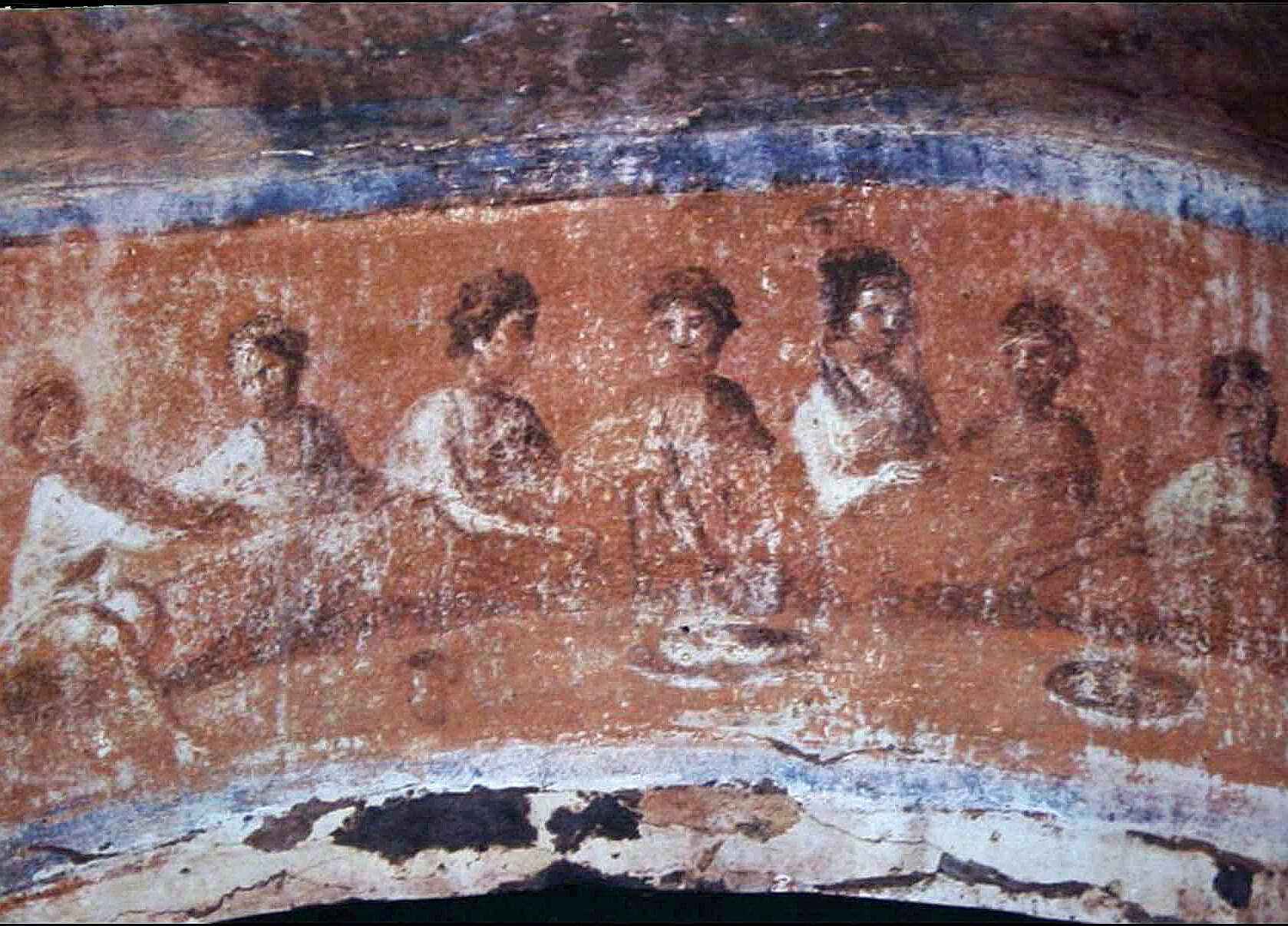
No! Unworthy Communions hurt all of us who are members of the Body of Christ.
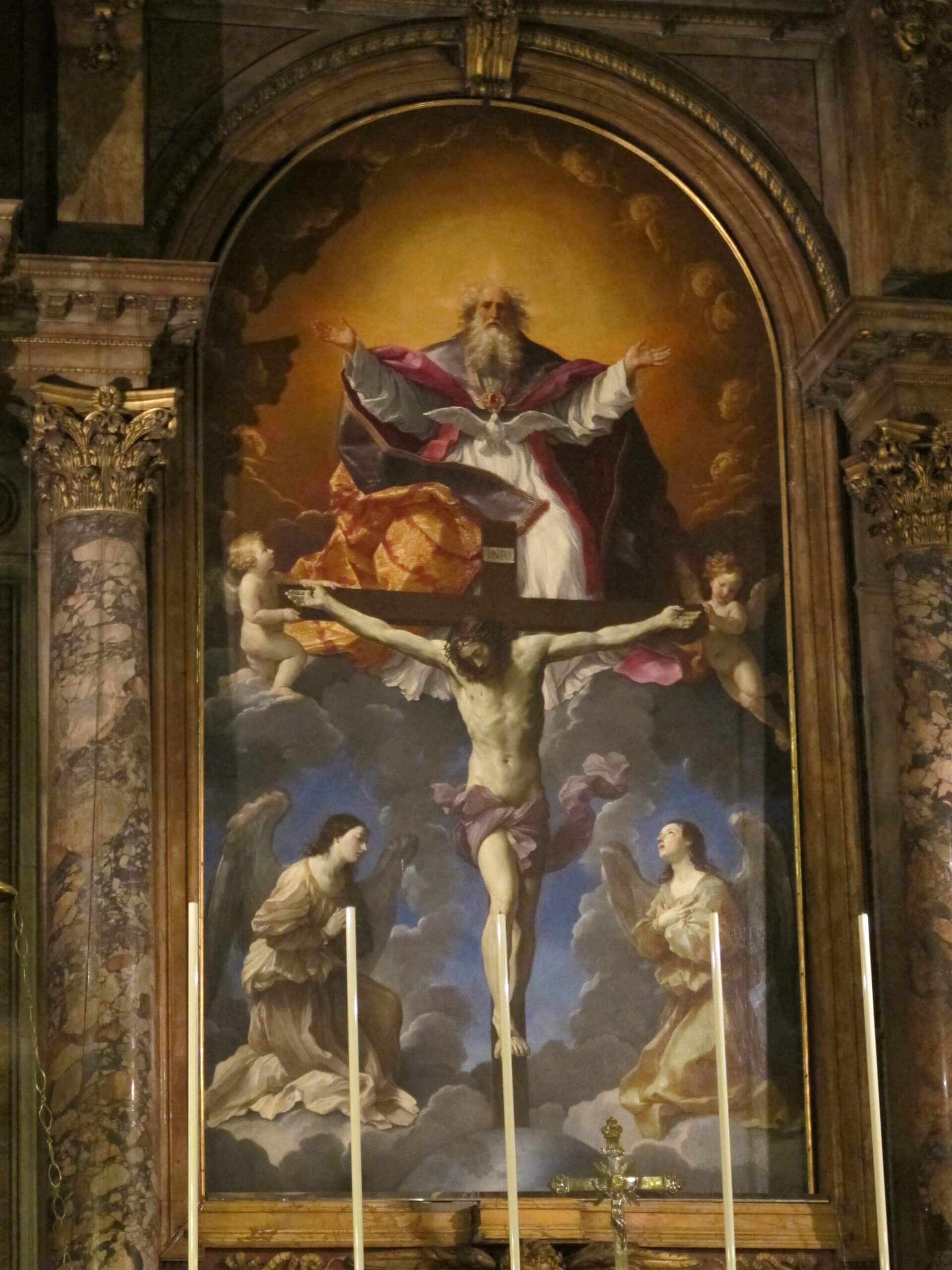
Holy Trinity Sunday is “a synthesis of Christmas, Epiphany, Easter, Ascension and Pentecost."
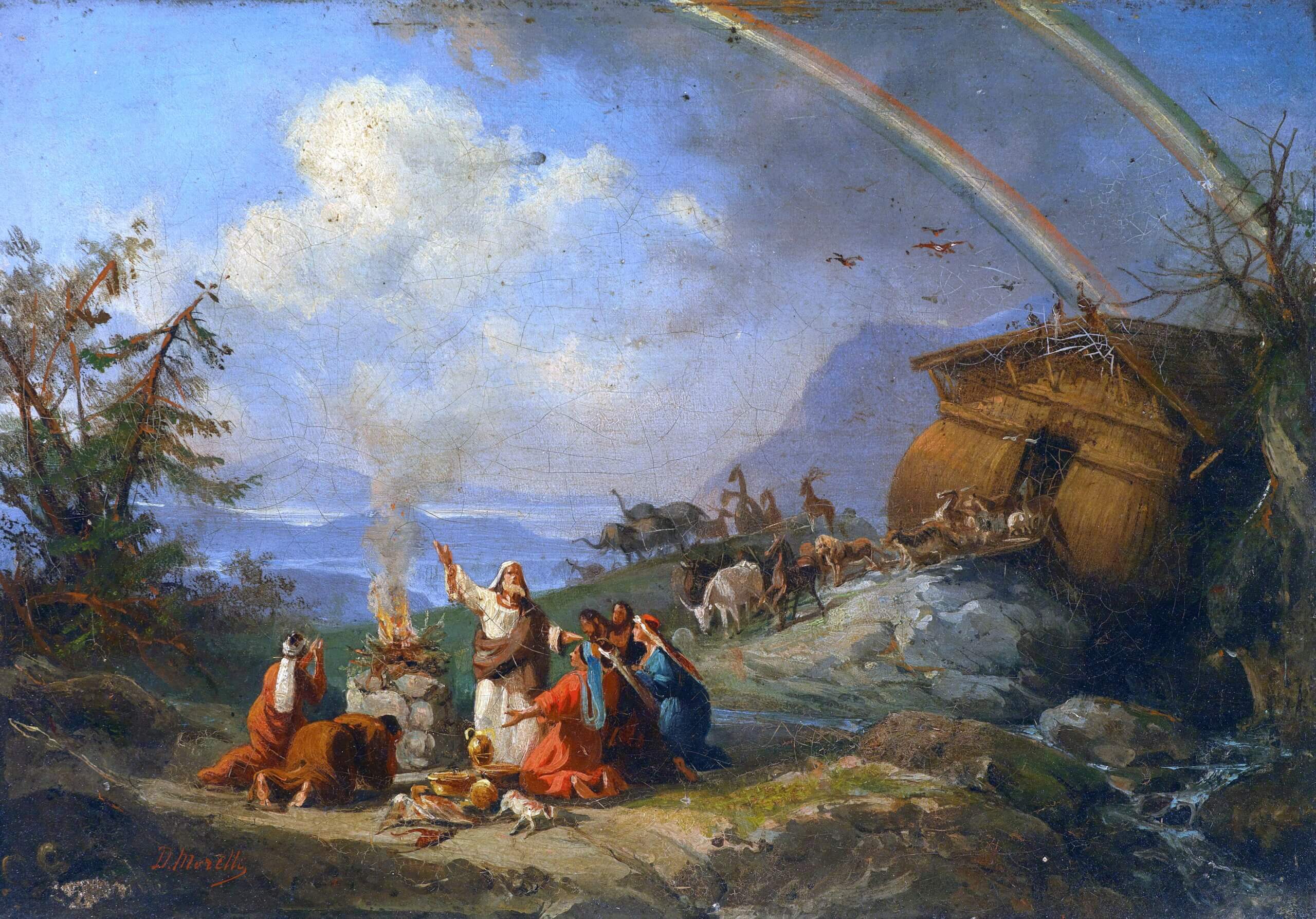
...at this stage of the “cosmic edition” of Capture the Flag that we are now playing, for eternal stakes.
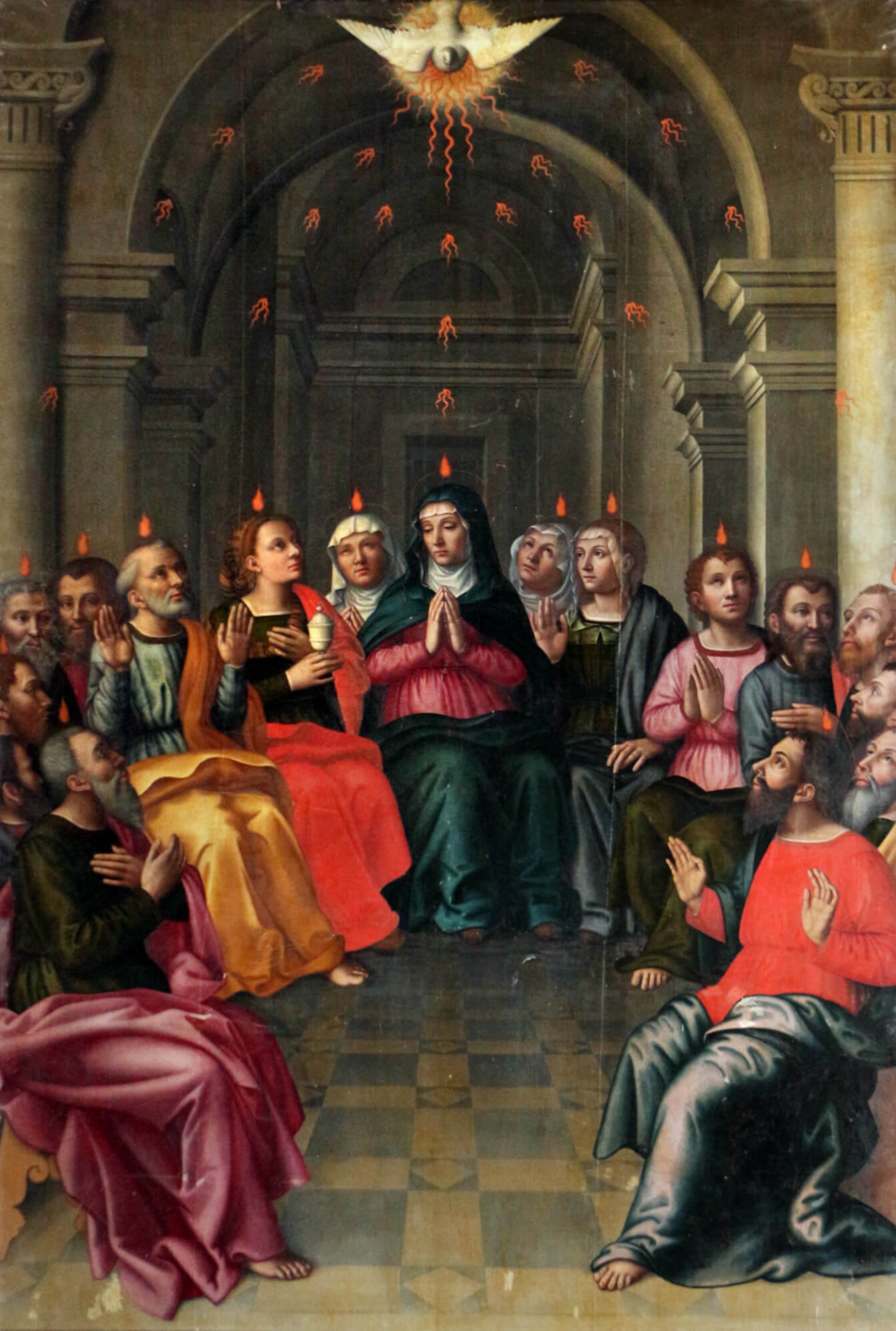
Our task this year is to look into the first reading for Holy Mass on Sunday celebrated with the Roman Catholic Church’s venerable and always legitimate and appropriate and contemporary and fruitful and ever alluring and awesome Vetus Ordo. We come to Pentecost at last, that major bookend, with its Octave, to the Pre-Lenten Sundays…
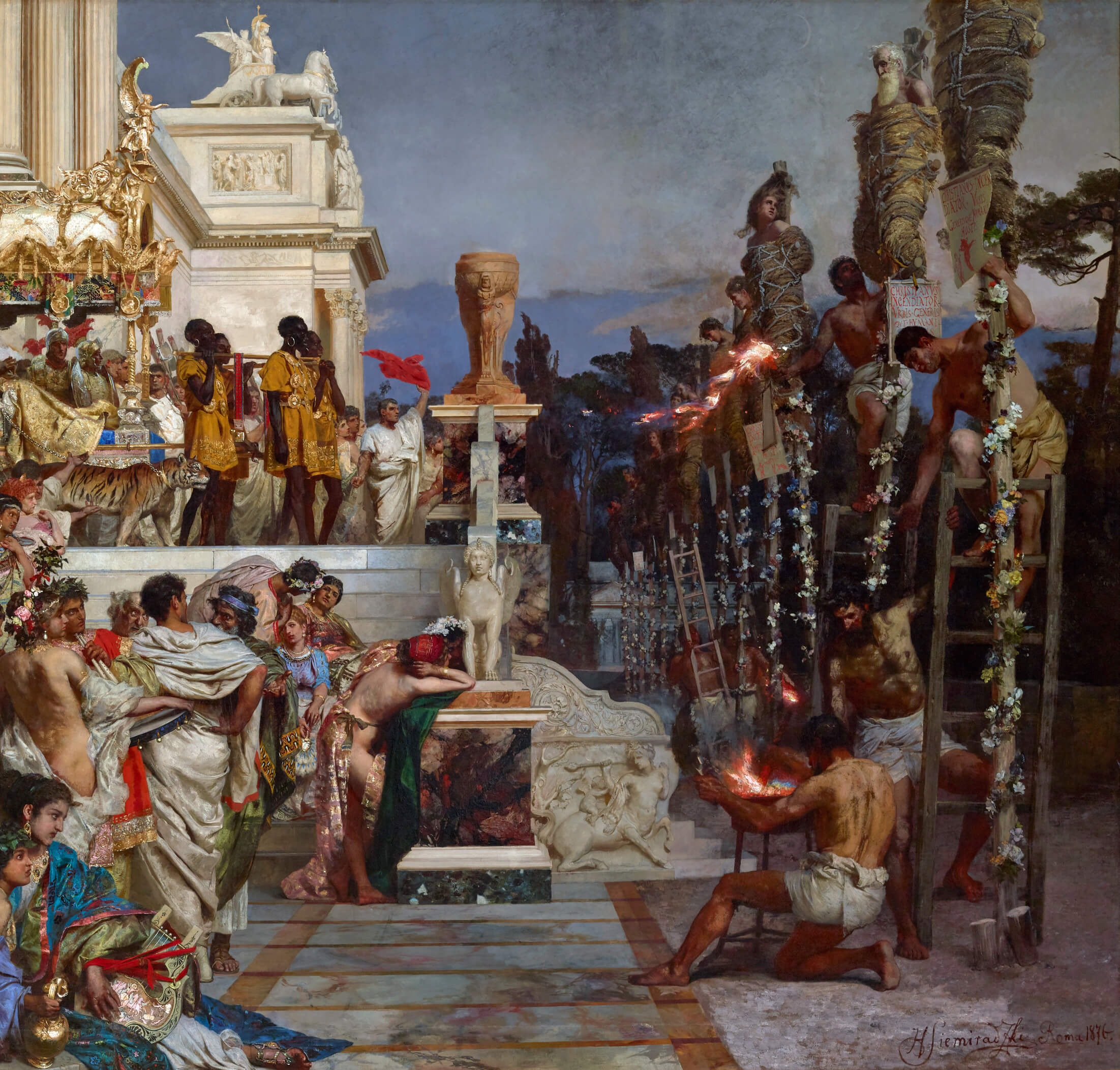
We have attained during the week the Feast of the Ascension of the Lord and this is the Sunday that falls between that mysterious event and the descent of the Holy Spirit at Pentecost. All the events of the life of the Lord are mysterious, but some are more momentous than others. This is certainly…