The Modern Bach
It was dedicated to the memory of the German Heroes fallen in the Great War.

It was dedicated to the memory of the German Heroes fallen in the Great War.
Authentic and humble artists are perfectly well aware, no matter what kind of beauty characterizes their handwork, that their paintings, sculptures or creations are nothing else but the reflection of God’s Beauty.
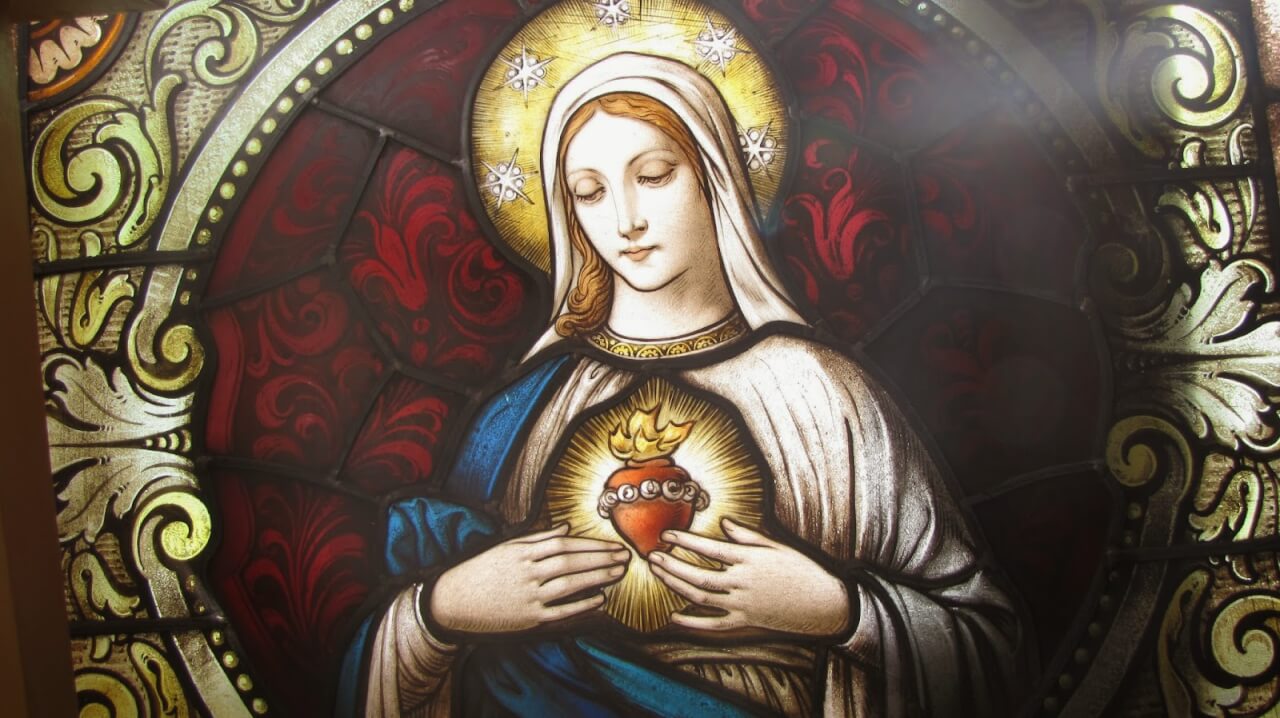
The Sorrowful Virgin shared in the work of redemption with Jesus Christ.
It’s all very subtle but long experience in seminaries and religious communities shows that the more unified the sound, the more everyone can lose themselves in the prayer of the Church.
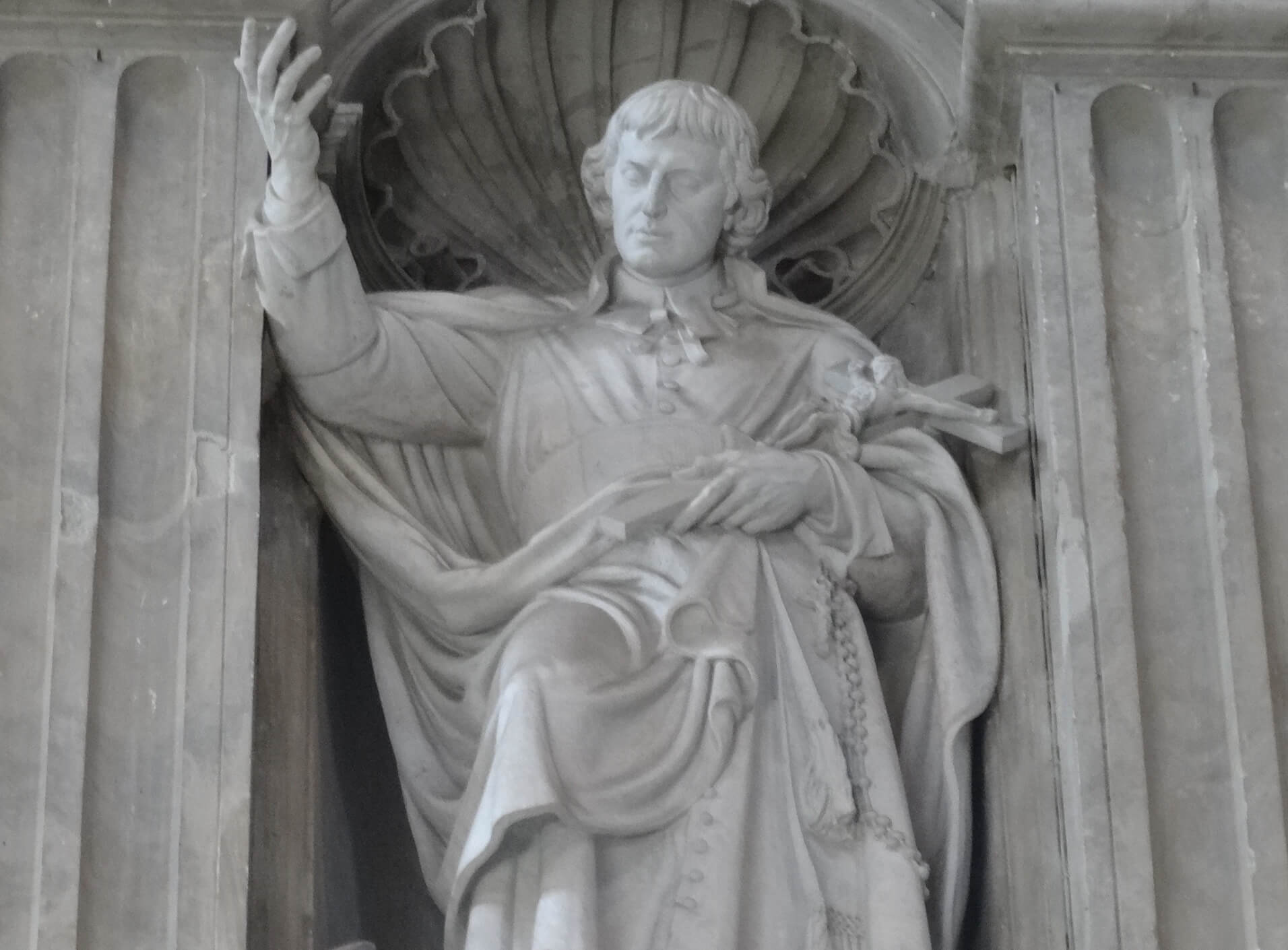
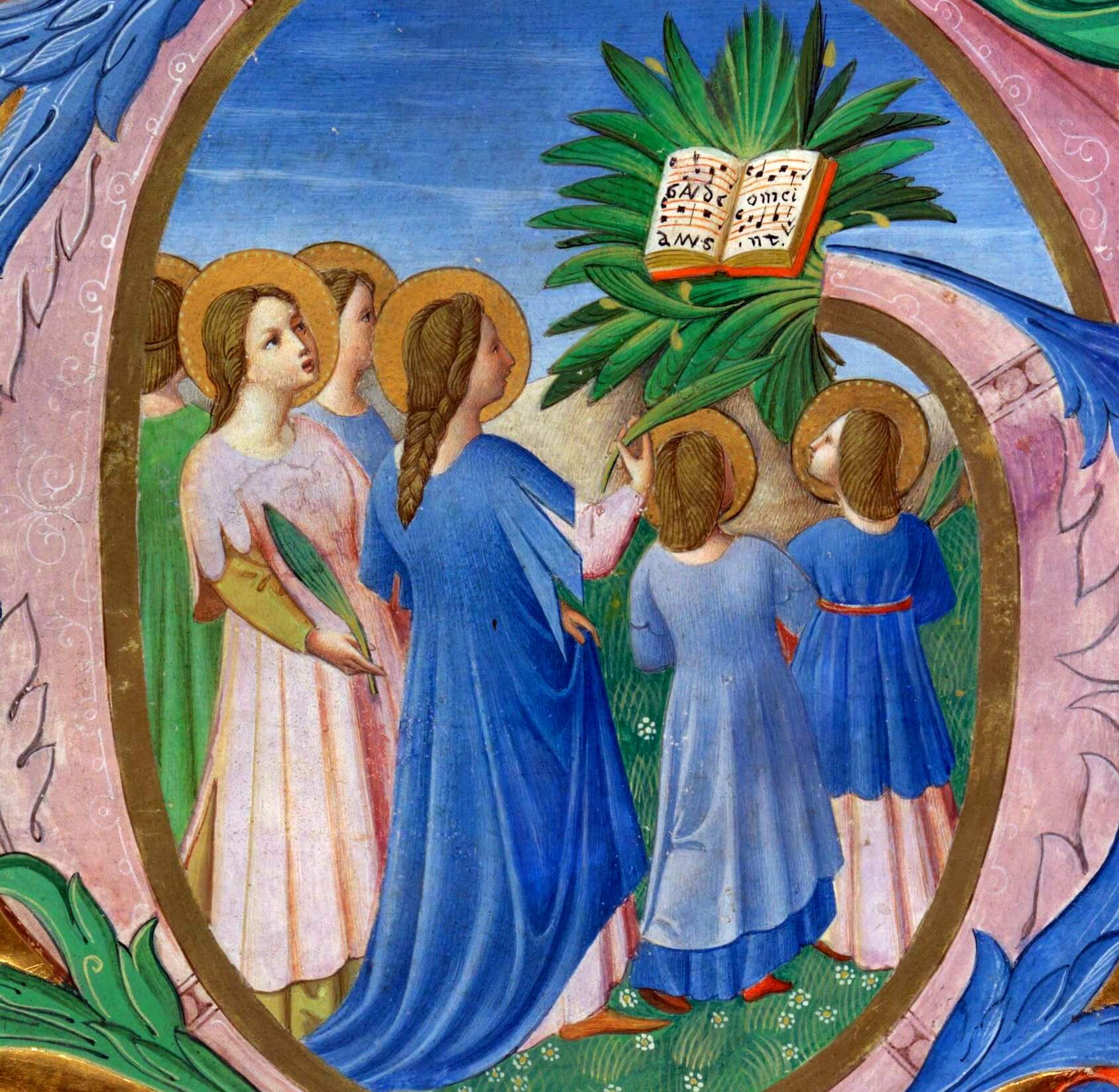
The hymns he composed were, at the time of French Revolution, on the lips of the Blessed 47 Martyrs of Avrillé.
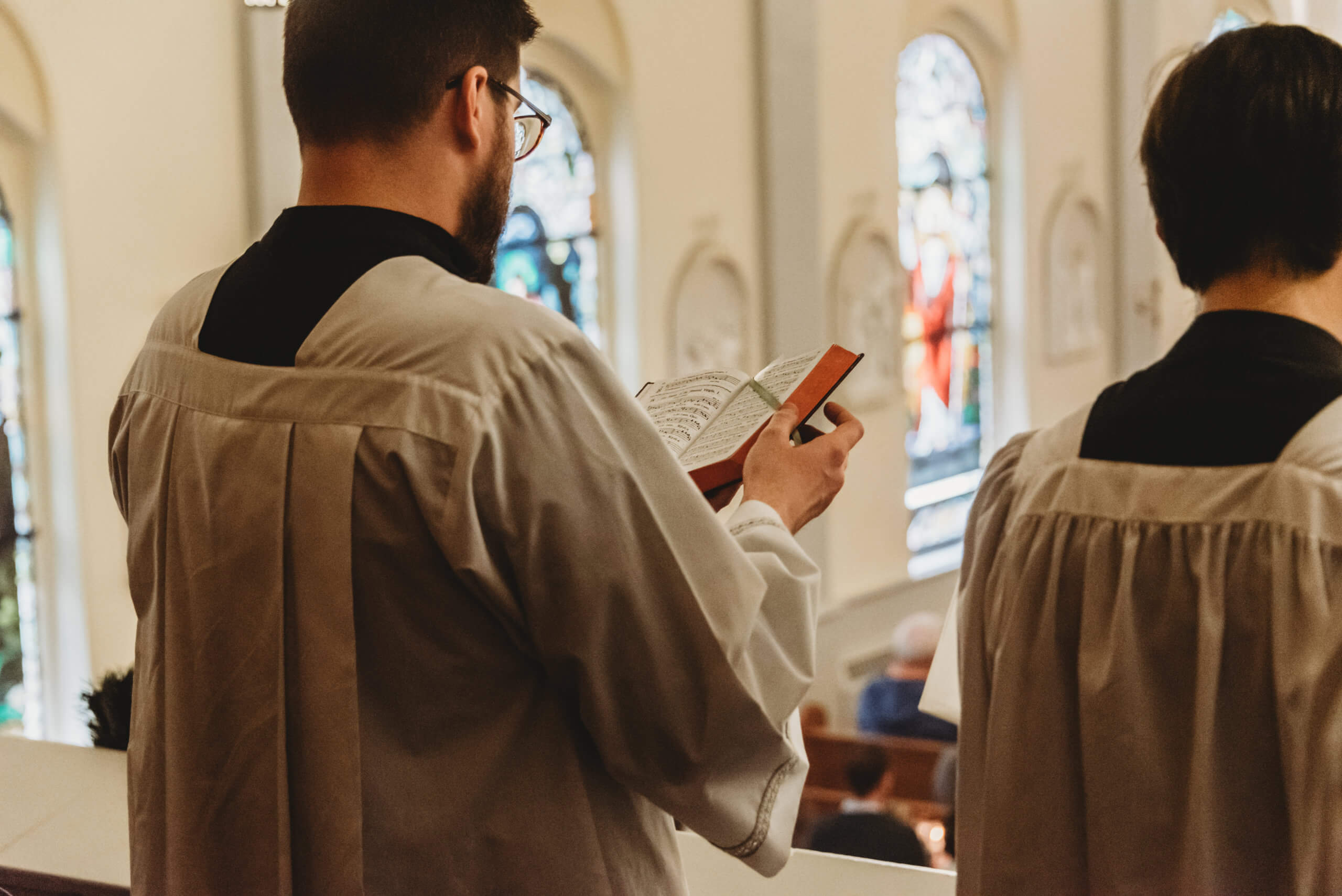
This week and next, I will share practical and speculative points on singing Gregorian chant well that I have learned by leading scholas, by participating in them, and by listening to masters discuss what they do and why. My points are not put forward here as “Gospel truths”; they are merely an attempt to put…
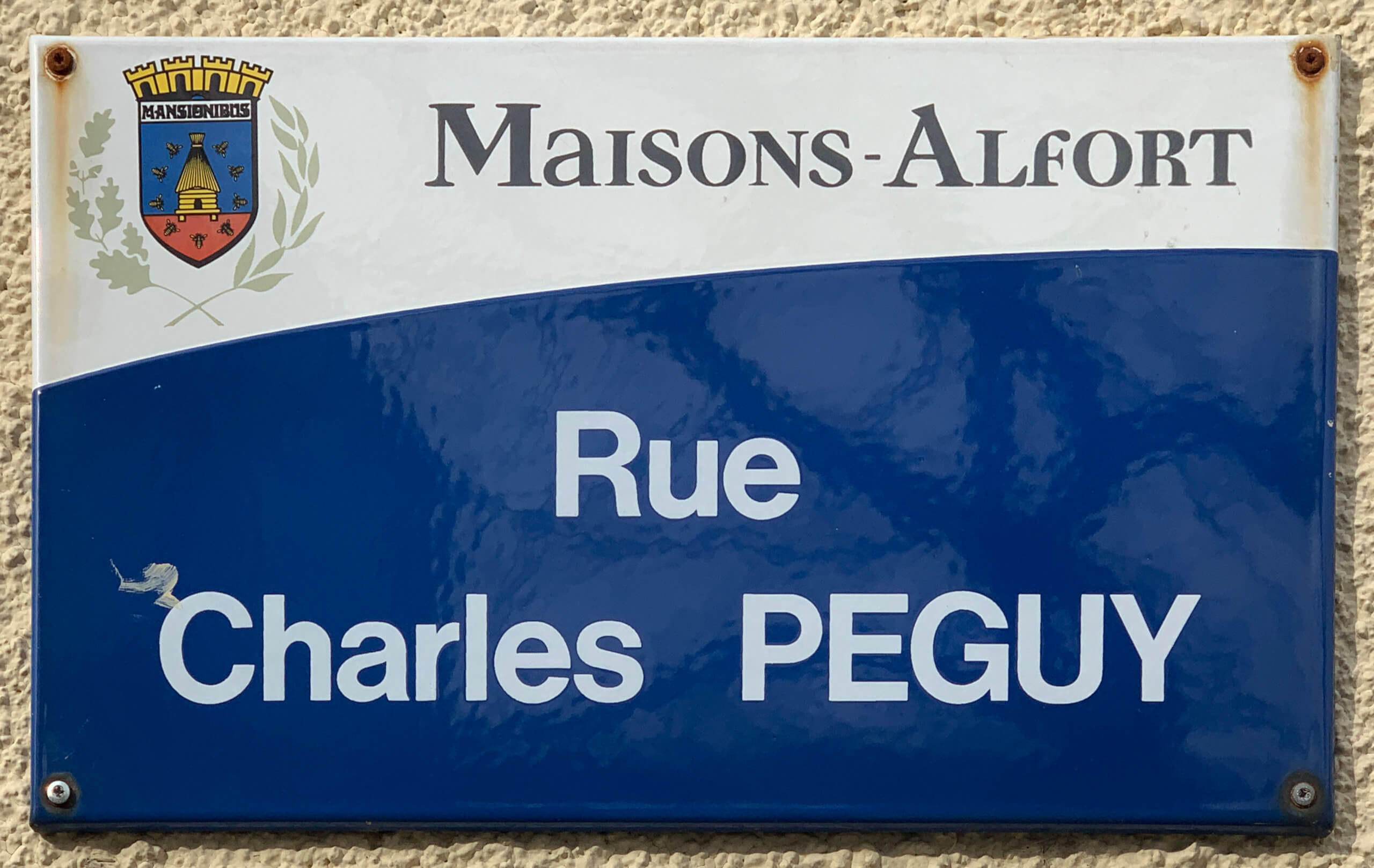
Above: French street sign in Maisons-Alfort. One hundred and fifty years ago today, on January 7, 1873, “a unique man of letters, and unclassifiable writer” was born in Orléans, north-central France: Charles Péguy. This is how Bernard Guyon († 1975) defines him at the conclusion of a careful study of the French poet; and he…
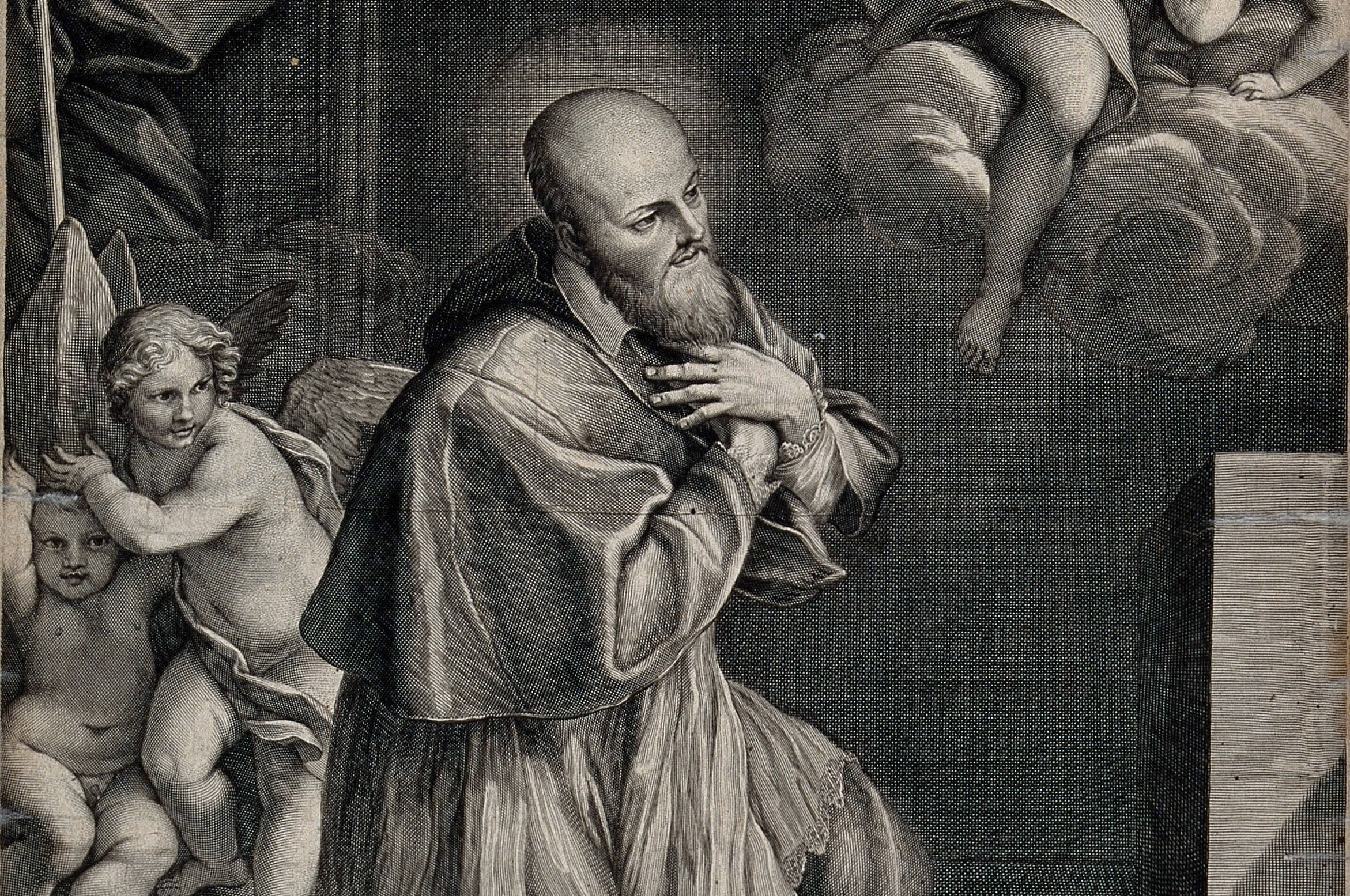
Four hundred years ago tomorrow, on December 28, 1622 a great teacher of the spirituality, and the patron Saint of journalists and of the Catholic press, died in Lyon, east-central France: St. Francis de Sales, Bishop and Doctor of the Church. He was born 55 years earlier in Thorens, southeastern France, on August 21, 1567,…
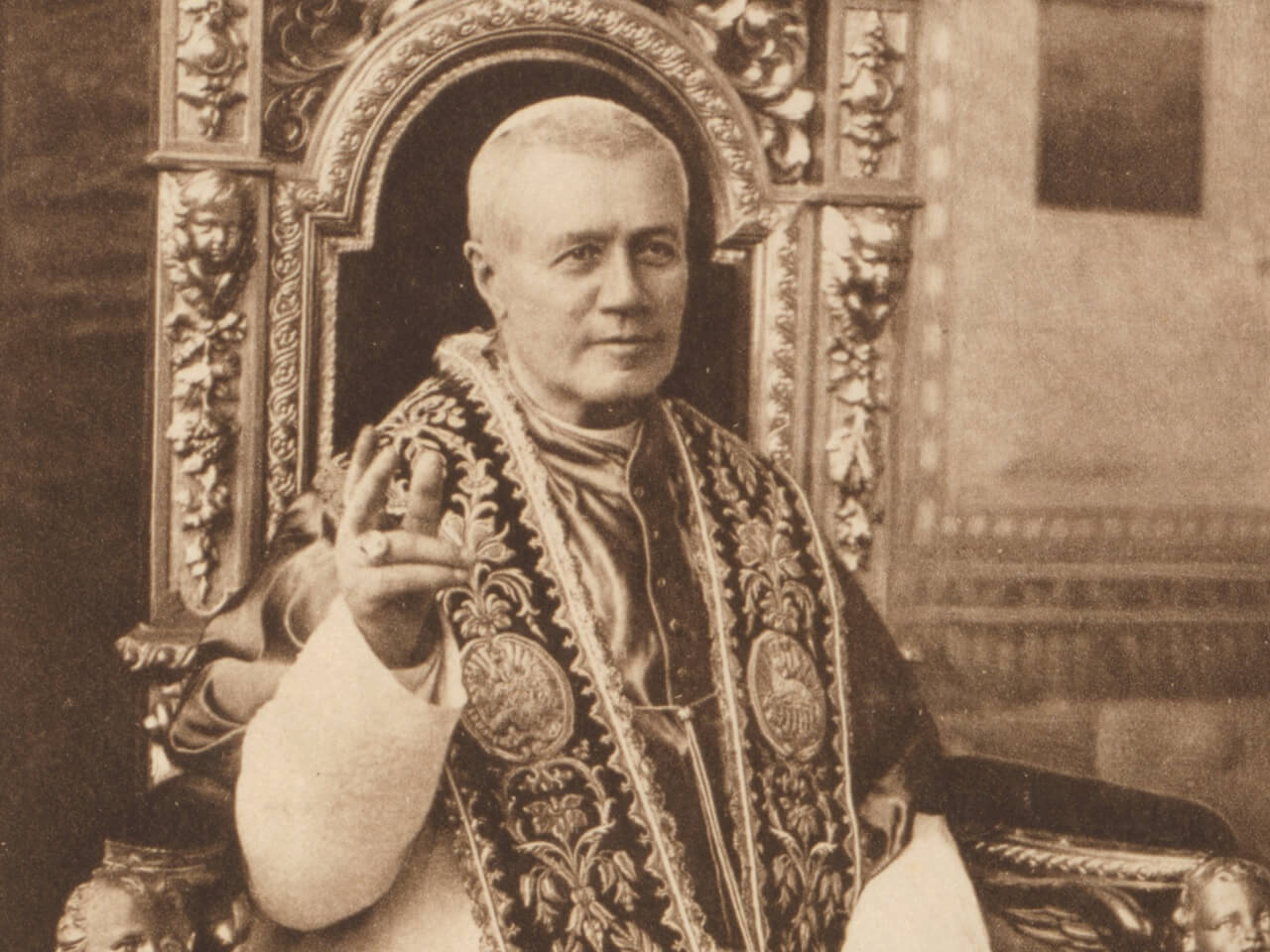
Tomorrow marks one hundred and fifty years since the birth, which took place in Tortona, a town in northwestern Italy, on December 21, 1872, “of the great, unforgettable Monsignor Lorenzo Perosi, who was music director of Our Sistine Chapel. […]”, in the words of Pope Paul VI († 1978), pronounced 50 years ago. “Maestro Perosi,”…
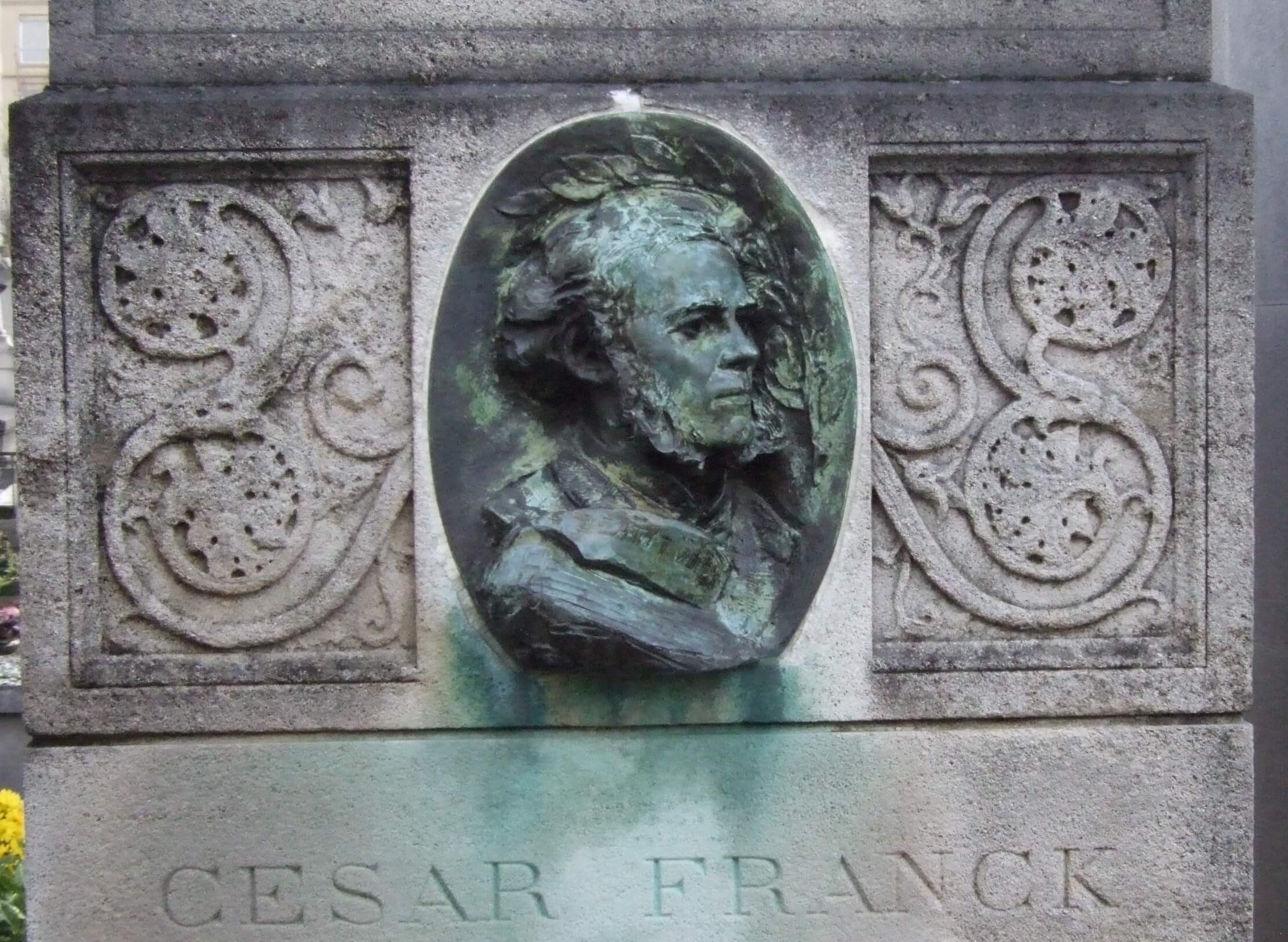
Above: the tomb of César Franck in Paris. Today is the bicentenary of the birth, which took place in Liège, in eastern Belgium, on December 10, 1822, of a composer and organist who, having lived almost always in Paris, was one of the most significant personalities of the French nineteenth century: César Franck. We remember…
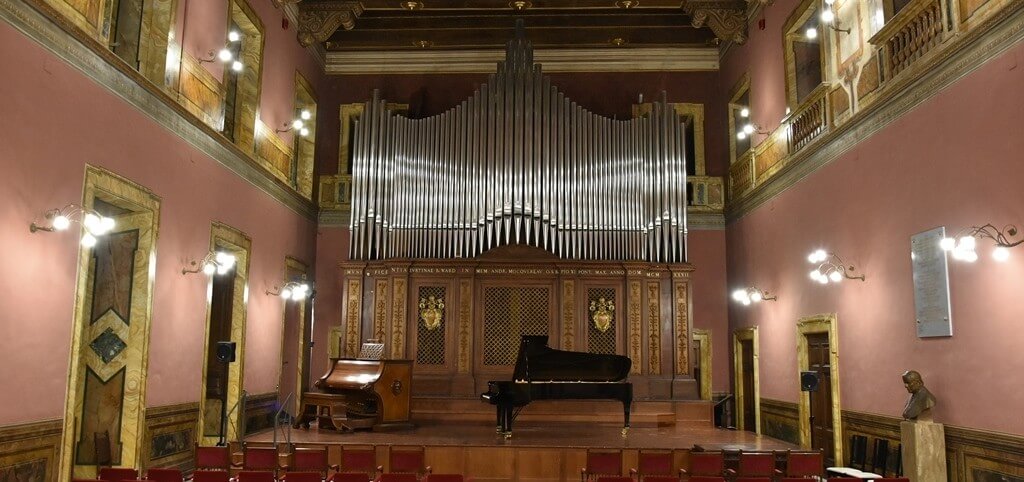
One hundred years ago, on November 22, 1922, the new Pope Pius XI († 1939) issued the motu proprio Ad musicæ sacræ restitutionem, with which he set up what is now the Pontifical Institute of Sacred Music in Rome. Although monumental, this was not the first papal action in this regard. “The liturgical-musical ‘conservatory’ of…